What Is an Oushak Rug? Origin, Design and How It Is Made in India
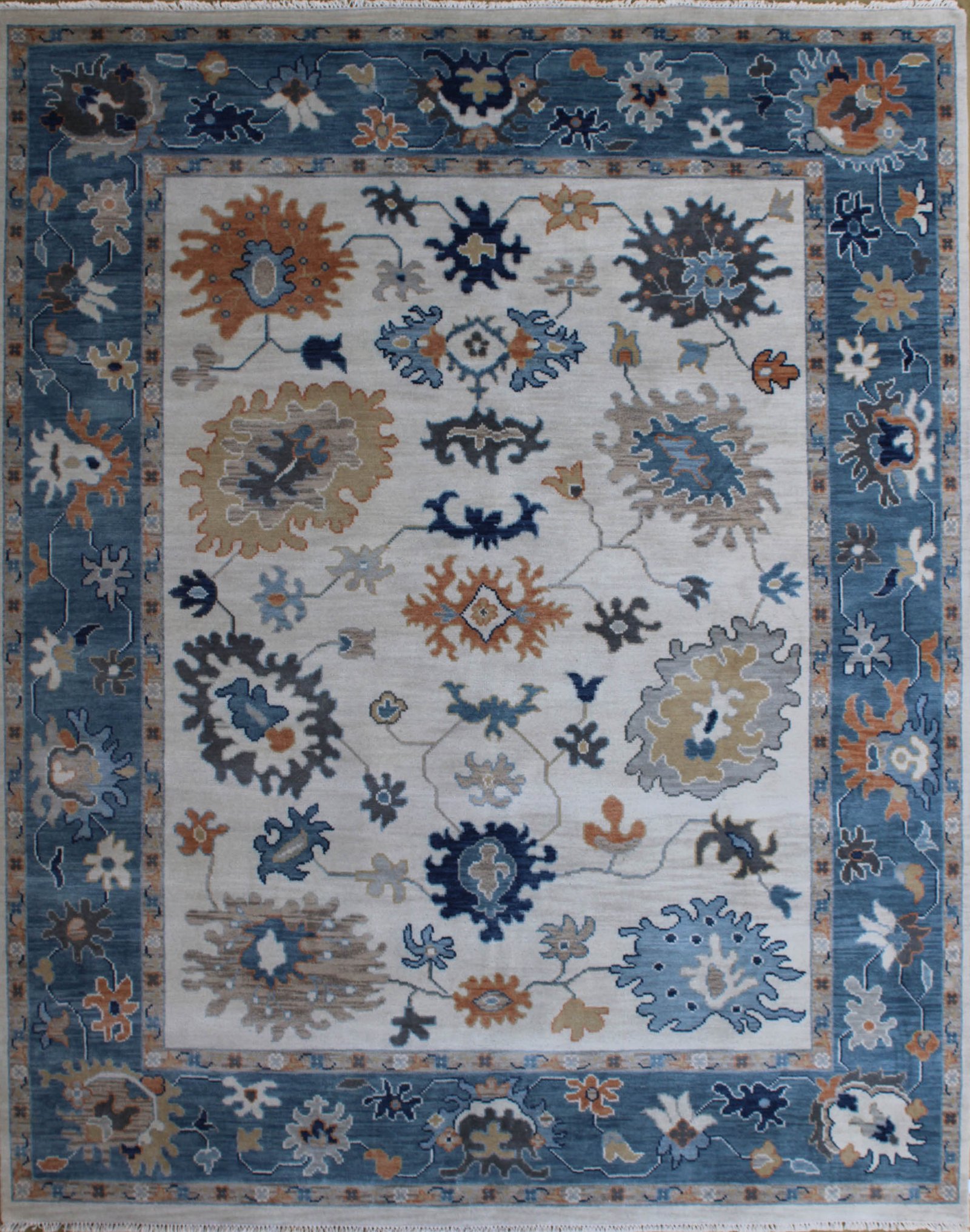
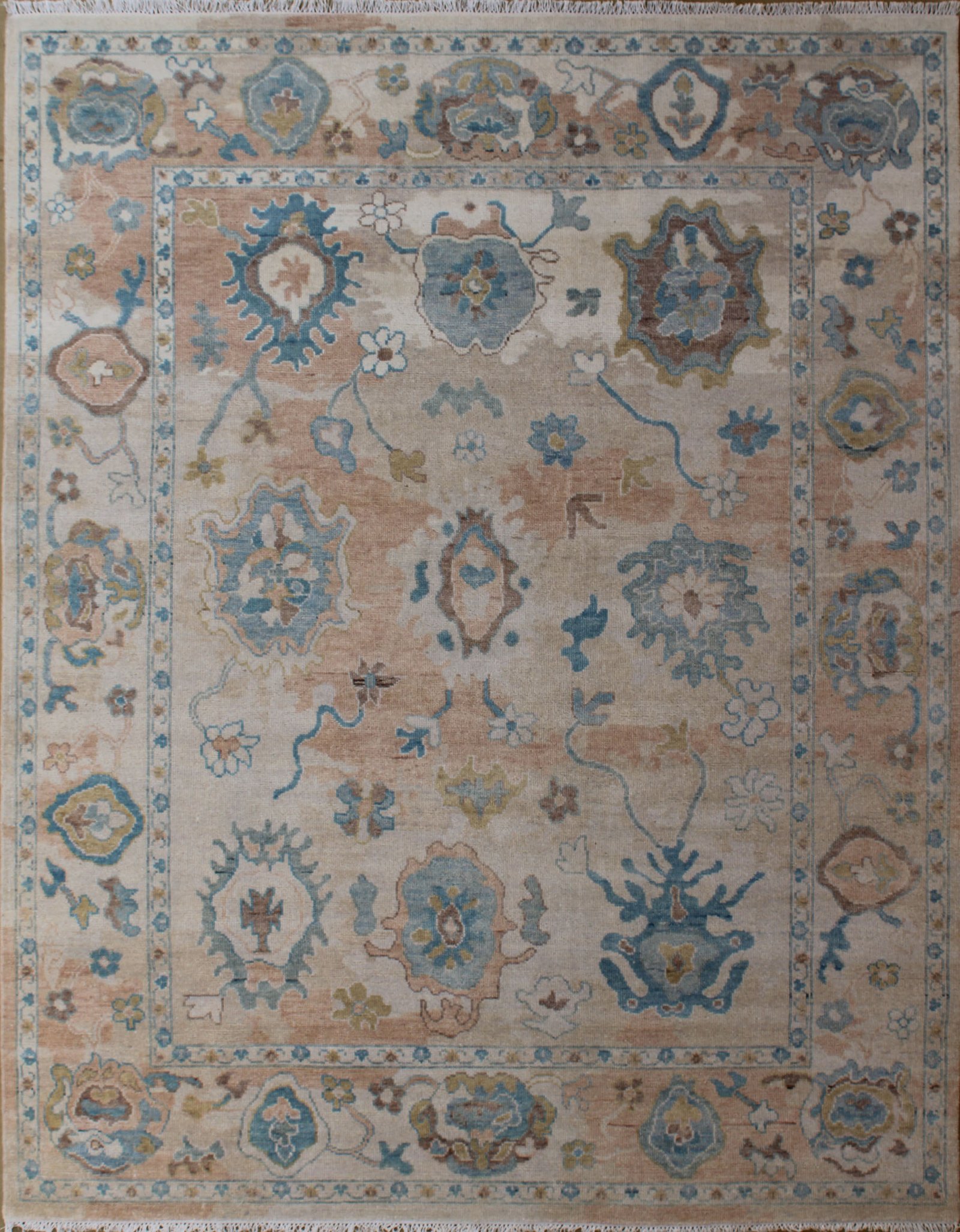
An Oushak rug is a traditional carpet known for large-scale, open motifs, muted pastel or earthy colour palettes, and a relatively loose knot structure. Originating in Western Turkey, Oushak (or Uşak) designs are now manufactured in India by skilled weavers who replicate the historic aesthetic using hand-spun wool and specialised washing techniques. For buyers seeking a transitional aesthetic that bridges antique design with modern interiors, Oushak rugs offer an ideal solution.
What defines the traditional Oushak rug design?
Where did Oushak rugs originate?
Oushak rugs originated in the city of Uşak in Western Anatolia (modern-day Turkey). This region was a major centre of carpet production from the early days of the Ottoman Empire, producing some of the most sought-after textiles for European markets. Unlike the highly detailed and tightly knotted rugs from Persian weaving centres, Anatolian weavers developed a distinct style characterized by a coarser weave, softer wool, and more relaxed interpretations of classical Persian floral and medallion designs.
What are the key design characteristics?
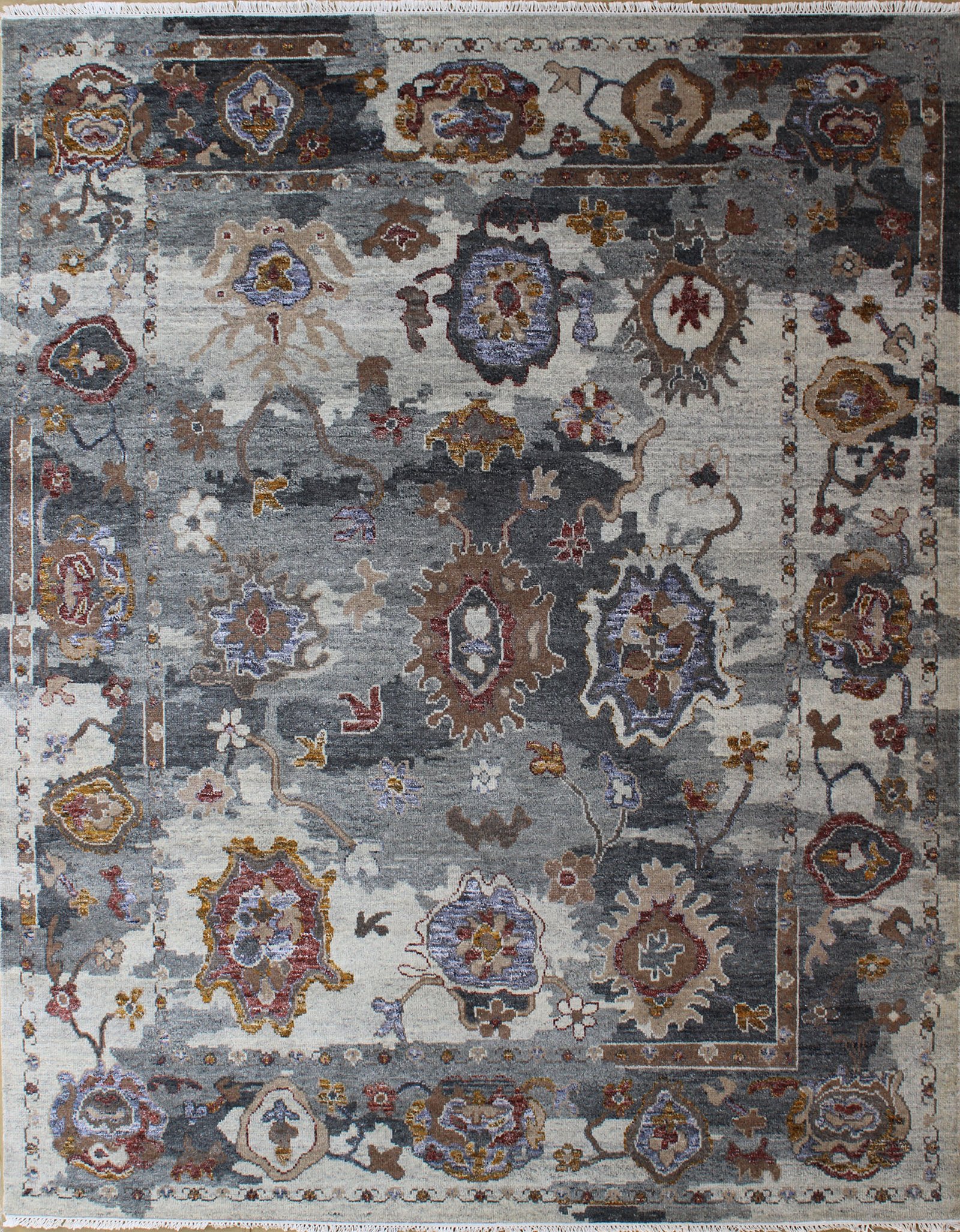
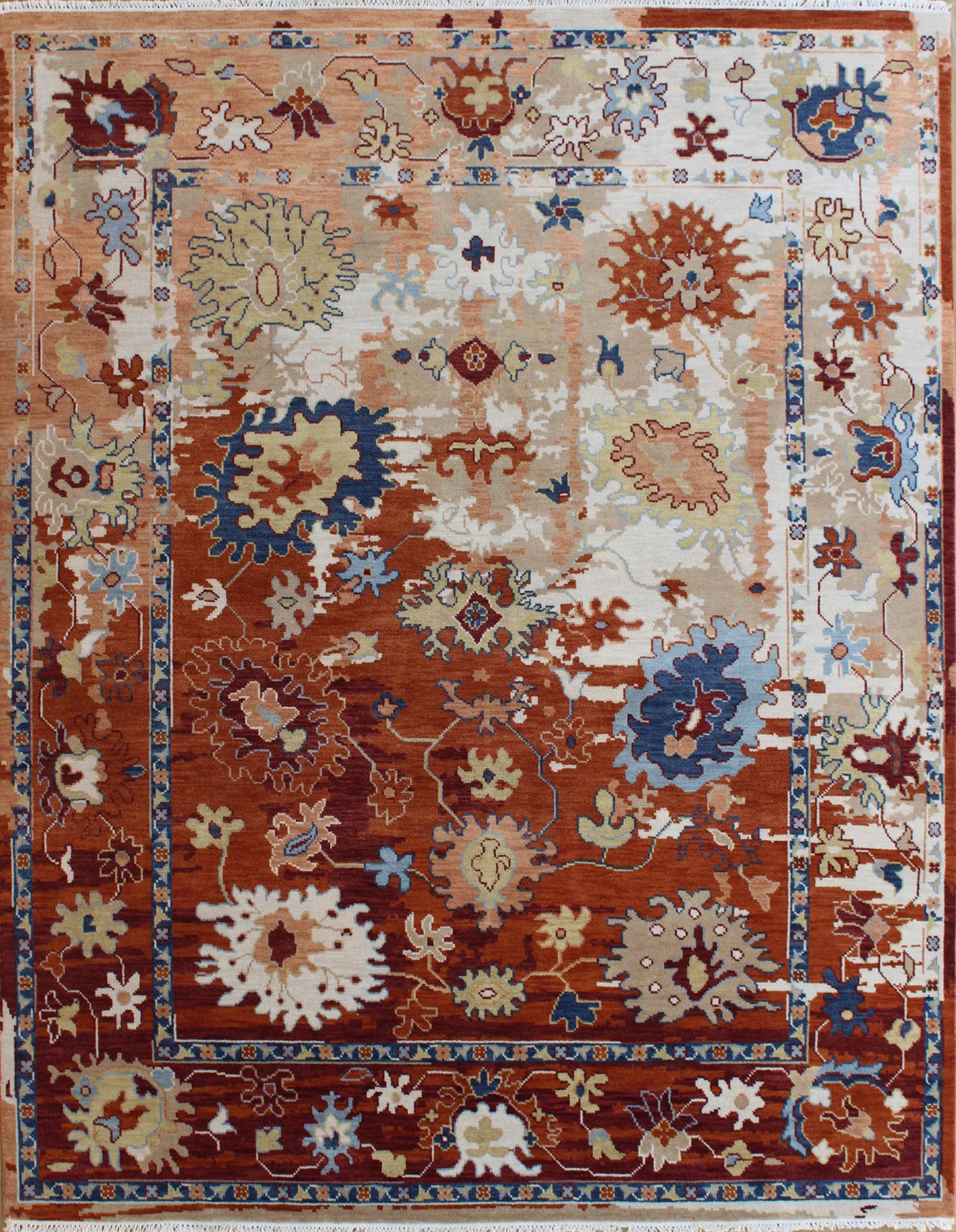
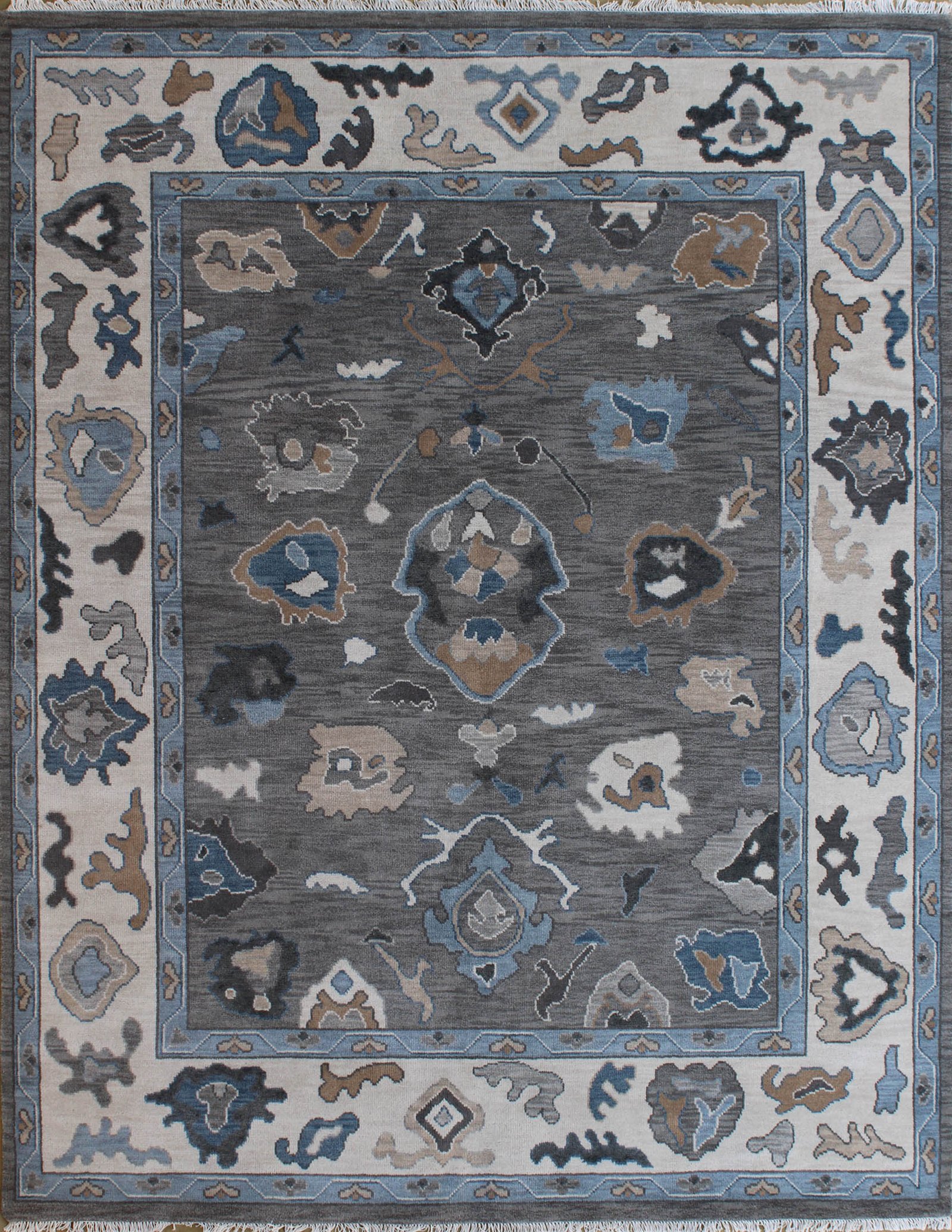
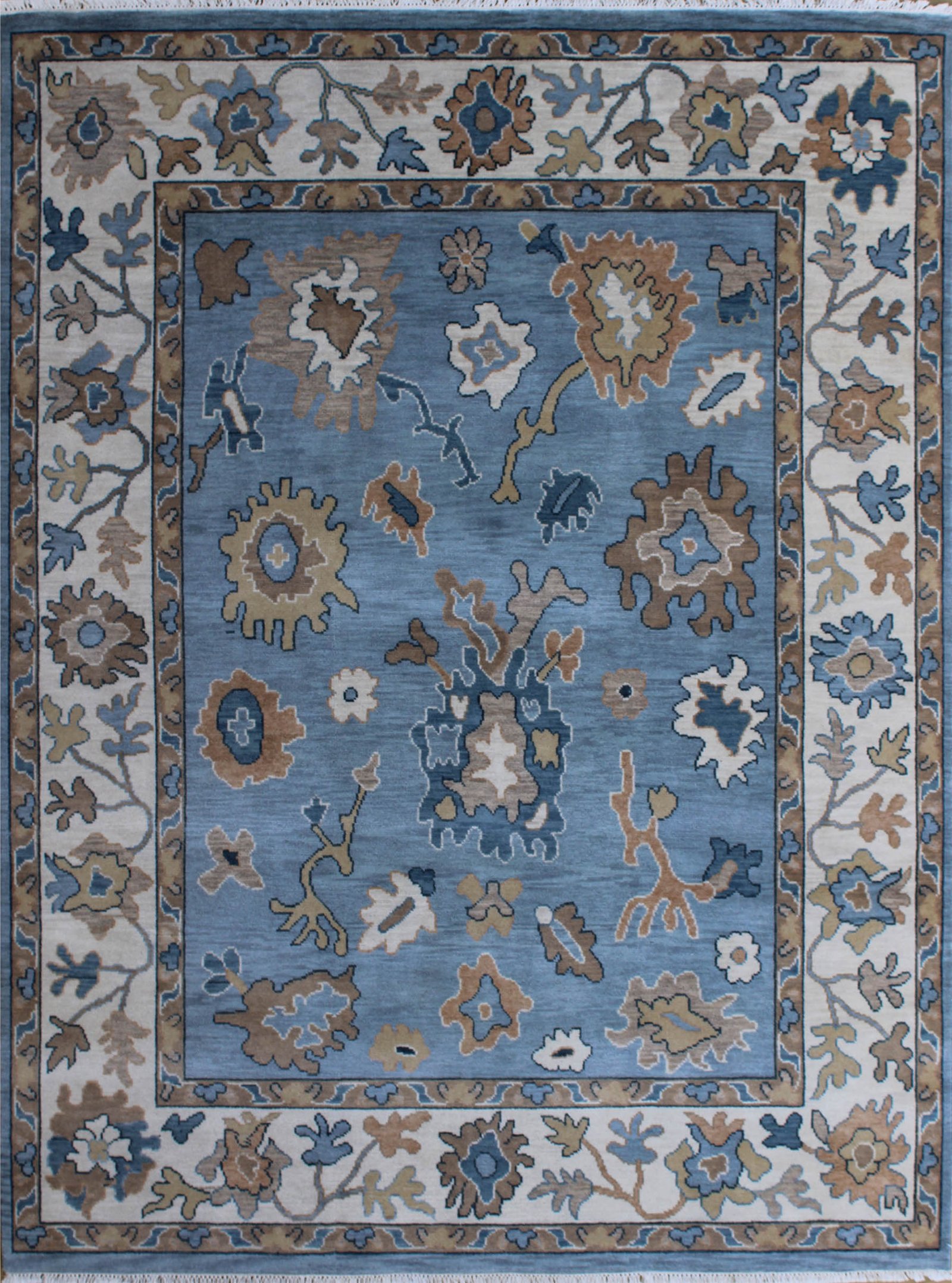
The defining feature of an Oushak design is its spaciousness. Instead of dense, intricate patterns, Oushak rugs feature large, open palmettes, angular vines, and central medallions set against expansive background fields. The knot structure is typically larger, giving the motifs a slightly geometric or "blocky" appearance compared to finely curved Persian designs. Traditional colours rely on vegetable dyes, resulting in soft terracottas, muted golds, pale blues, and warm ivories—a palette that complements contemporary interior design better than dark, heavy traditional rugs. Explore our full Oushak Rugs Collection.
How are Oushak rugs manufactured in India?
Why is the yarn preparation crucial?
To replicate the authentic texture of an antique Turkish Oushak, the yarn preparation must be meticulously controlled. Indian manufacturers often use hand-spun wool rather than machine-spun yarn. Hand-spinning creates natural irregularities in the yarn's thickness. When this yarn absorbs dye, the irregularities cause the colour to take unevenly, resulting in "abrash"—the subtle, beautiful variations in colour across the rug's surface that mimic natural aging.
How does the finishing process create the vintage look?
The distinct, muted appearance of a modern Oushak rug is largely achieved during the finishing process. After weaving, the rug undergoes an intensive washing procedure. Manufacturers may use specialized herbal washes, enzyme treatments, or careful sun-fading to soften the bright newly dyed colours and give the wool a lustrous, vintage sheen. The pile is then sheared to the specified height—sometimes very low to simulate the wear of an antique carpet.
Why are Oushak rugs popular for B2B sourcing?
How do Oushak designs fit modern interiors?
Oushak rugs are the quintessential "transitional" rug. Their traditional origins provide a sense of history and craftsmanship, while their muted colours and open patterns prevent them from overwhelming modern, minimalist, or coastal interiors. Interior designers frequently source Oushak designs because they bridge the gap between classic architecture and contemporary furniture, providing a soft, grounding foundation for high-end residential projects.
What are the advantages of sourcing Oushak rugs from India?
Sourcing Oushak designs from Indian manufacturers like Shukla Brothers offers significant advantages in scalability and customization. Indian factories have mastered the complex dyeing and washing techniques required to achieve the authentic Oushak aesthetic while offering modern production reliability. Buyers can customize exact pantone colours, request specific sizes (including oversized or non-standard dimensions), and manage quality control through established B2B channels. Learn more about our In-House Production.
How should buyers specify an Oushak rug order?
What details must be confirmed before production?
When placing an order for Oushak rugs, buyers must clearly specify the desired construction (hand-knotted vs. hand-tufted), fibre content (e.g., 100% New Zealand wool), exact dimensions, and pile height. Crucially, the acceptable degree of "abrash" (colour variation) and the level of distressing or fading required in the final wash must be agreed upon. A physical strike-off sample is essential to confirm the colour palette and finish before full production begins.
How do you evaluate a manufacturer's capability?
A reliable manufacturer will be able to explain their dyeing and washing processes in detail. Ask about their yarn sourcing (hand-spun vs. machine-spun) and review samples of their previous Oushak production to assess the quality of the finish and the accuracy of the design scale. A capable partner will understand the subtle differences between a stiff, overly precise reproduction and a rug that successfully captures the relaxed, artisanal character of a true Oushak. Explore our Private Label capabilities.
Frequently Asked Questions
Are Oushak rugs only made in Turkey?
Historically, yes. However, today, skilled artisans in India produce highly respected and authentic-looking Oushak designs, often offering greater customization and scalability for global buyers.
Why do Oushak rugs look faded?
The faded or muted appearance is an intentional design choice achieved through specialized dyeing and intensive post-weaving washing processes to replicate the sought-after look of an antique rug.
Are Oushak rugs durable?
Yes. When made with high-quality wool and properly constructed (especially hand-knotted), Oushak rugs are very durable and suitable for high-traffic areas, despite their softer, relaxed appearance.
Can Oushak designs be hand-tufted?
Yes. While traditionally hand-knotted, manufacturers can adapt Oushak patterns for hand-tufting, providing a more cost-effective option for large-scale retail or hospitality collections.
How do I clean an Oushak rug?
Follow the manufacturer's specific instructions. Generally, regular vacuuming (without a harsh beater bar) and prompt spot cleaning are recommended. Periodic professional cleaning by specialists familiar with handmade rugs is advisable.
Photo Gallery