How to Choose a Handmade Rug Manufacturer in India: A Complete Buyer's Guide
Choosing the right handmade rug manufacturer is an important decision for importers, wholesalers, retailers, interior designers, and home décor brands. The right manufacturing partner can help you develop distinctive collections, maintain consistent product quality, manage custom designs, and build a reliable supply chain for your business.
India has a long-established tradition of handmade carpet and rug production, combining skilled craftsmanship with a wide range of materials, constructions, designs, and manufacturing capabilities.
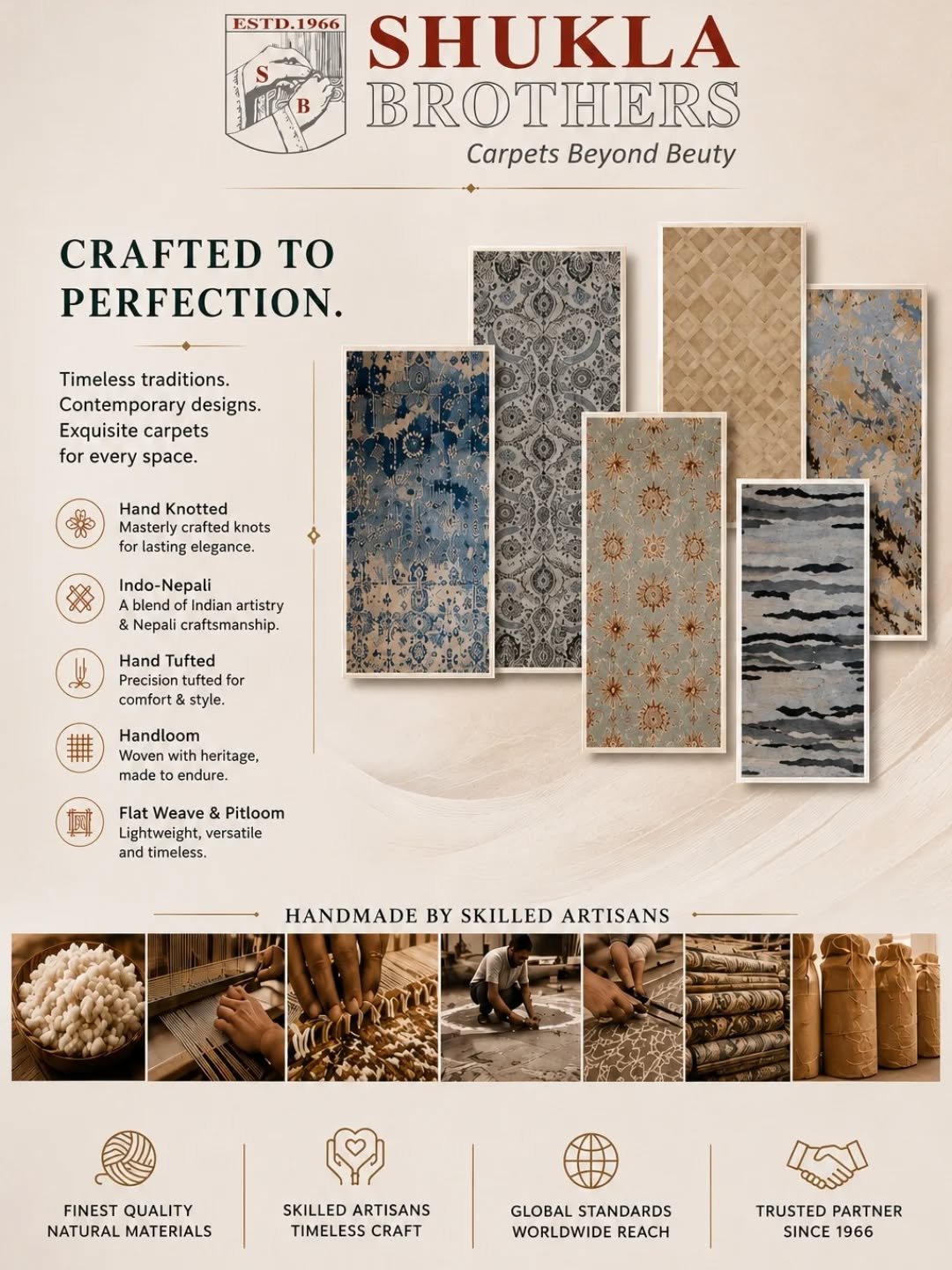
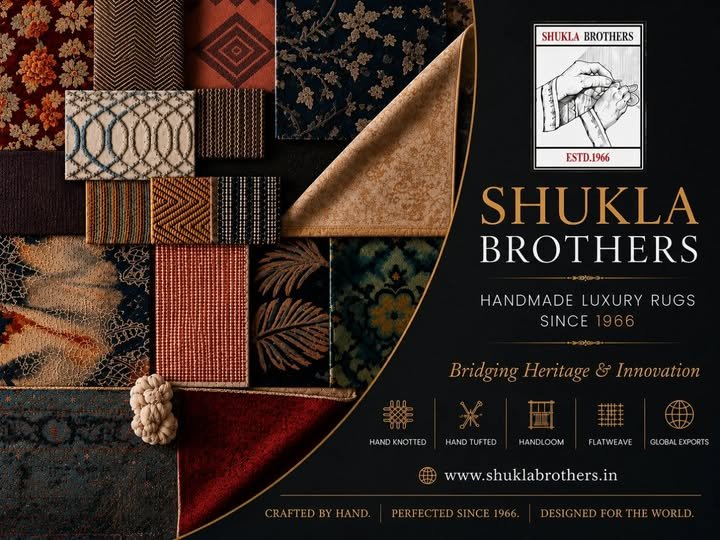
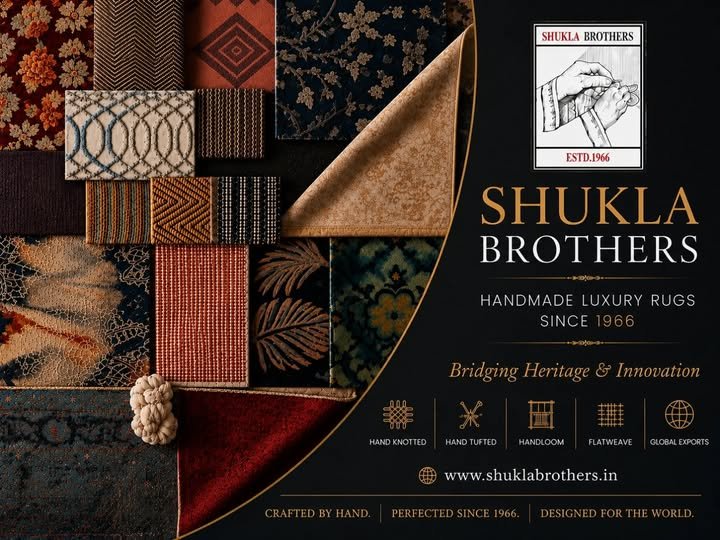
At Shukla Brothers, our manufacturing heritage dates back to 1966. We work with handmade rug constructions and support buyers looking for custom designs, private-label development, wholesale sourcing, and ready-stock selections.
In this guide, we explain what international buyers should consider when selecting a handmade rug manufacturer in India.
1. Understand the Different Types of Handmade Rugs
Before selecting a manufacturer, understand which rug constructions suit your product range, target customers, and commercial requirements.
Hand-Knotted Rugs
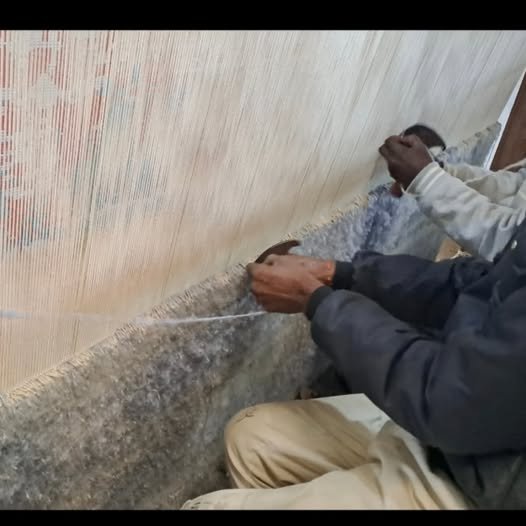
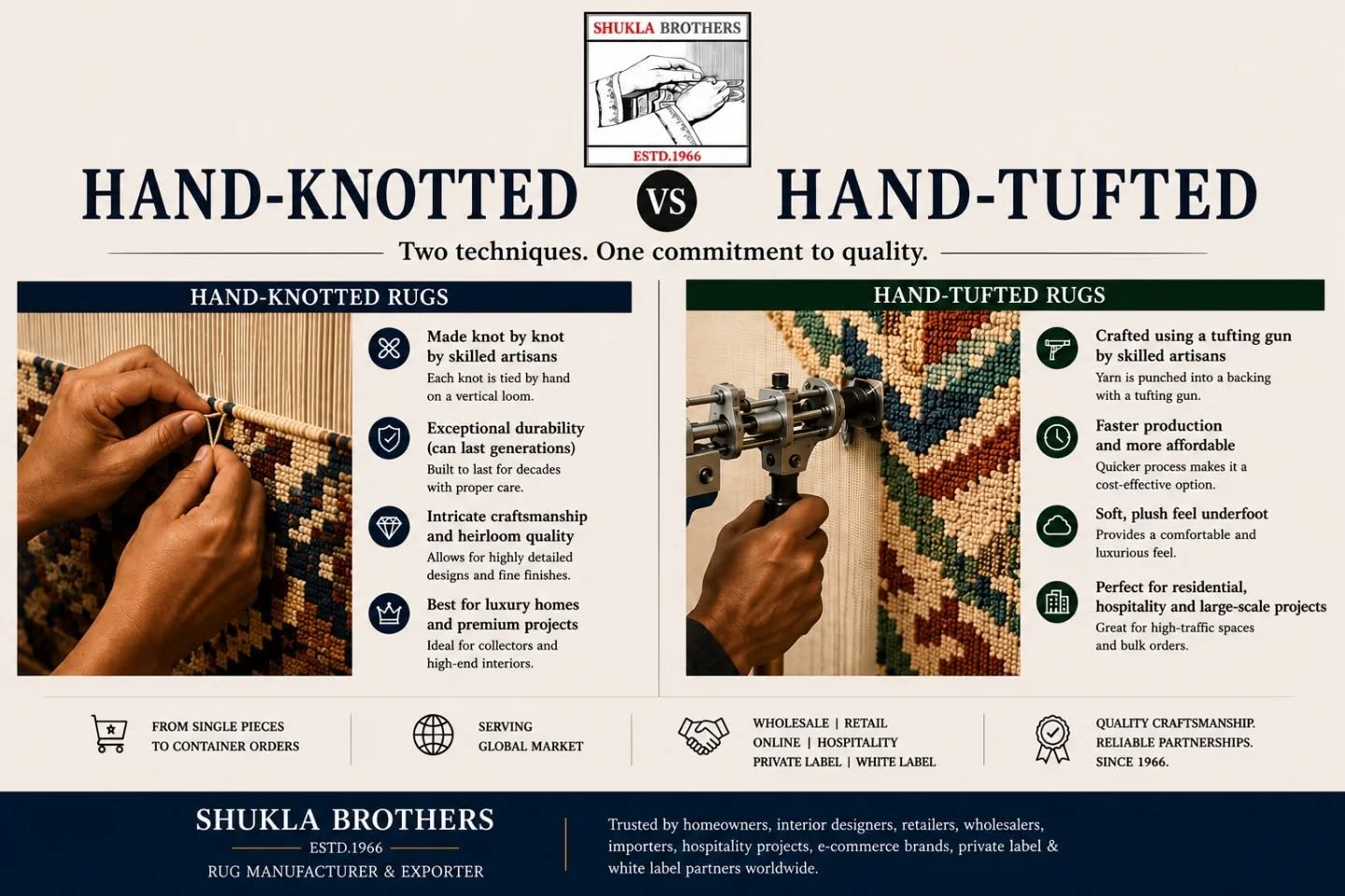
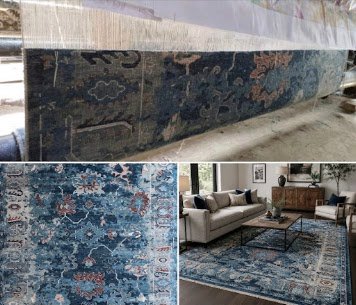
Hand-knotted rugs are made by tying individual knots around the warp threads of a loom. Their production requires skilled craftsmanship, and manufacturing time varies according to design complexity, dimensions, materials, and knot density.
Hand-knotted rugs are often selected for premium residential interiors, specialist retail collections, and design-led projects.
Hand-Tufted Rugs
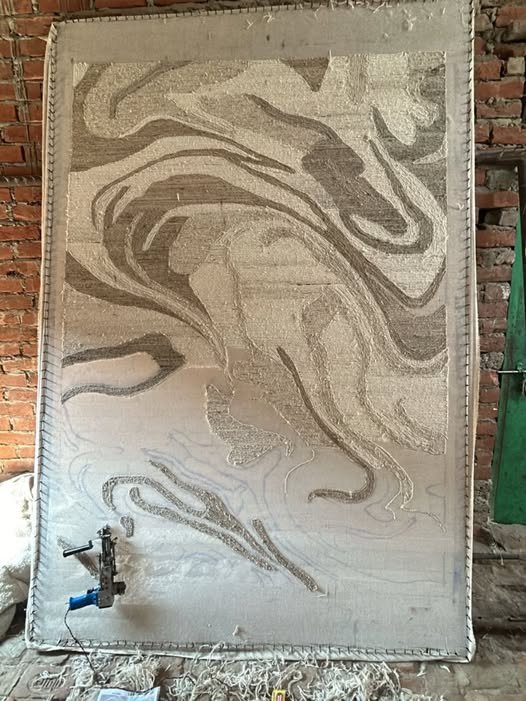
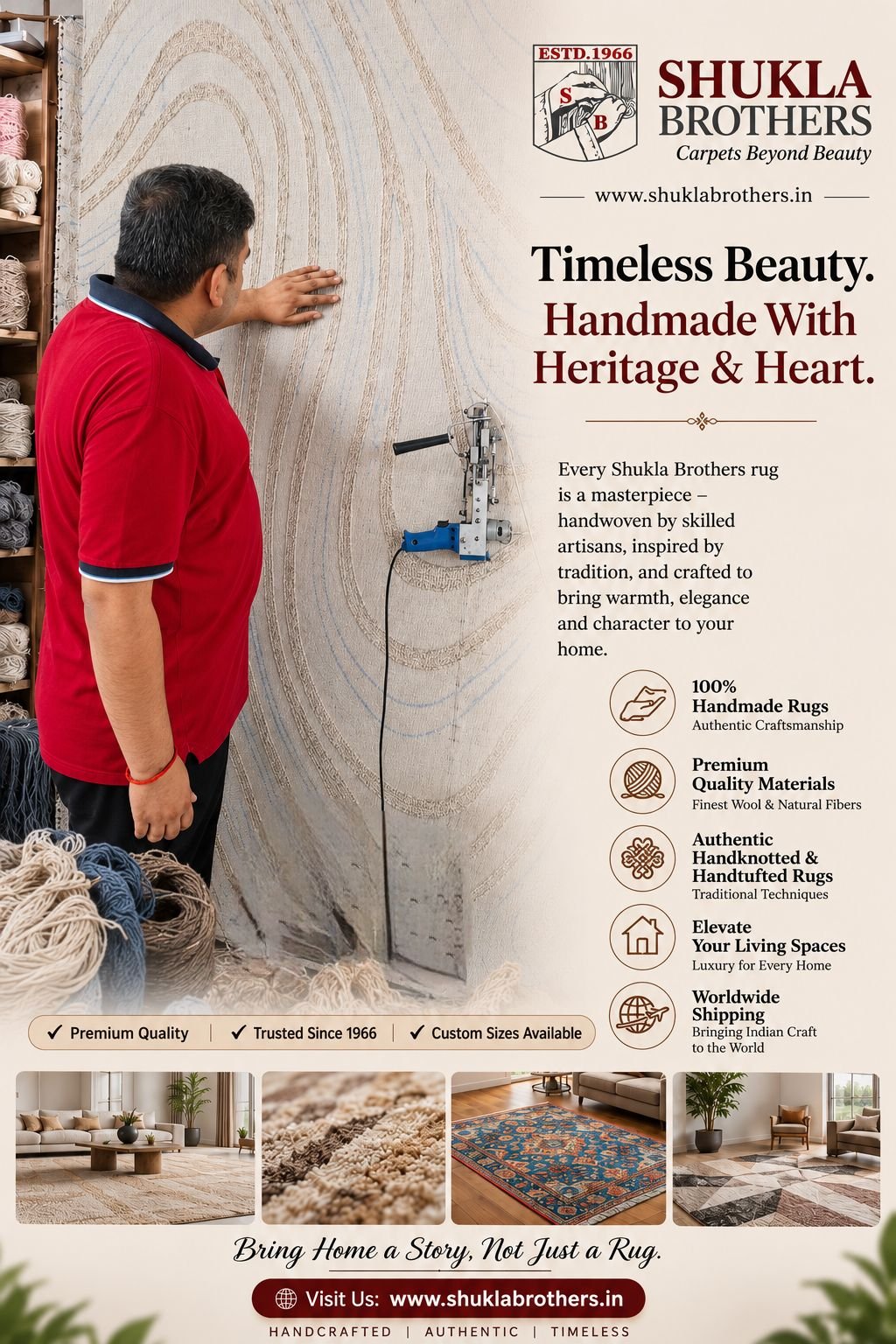
Hand-tufted rugs are produced by inserting yarn into a backing using a handheld tufting tool. The backing and finishing system help secure the pile.
This construction can support a wide variety of colours, patterns, pile heights, and custom designs. Production time and pricing depend on the design, materials, dimensions, and finishing requirements.
Handloom Rugs
Handloom rugs are produced on looms operated by skilled workers. Depending on the construction, they can offer distinctive textures, structured patterns, and versatile design options for residential and commercial interiors.
Flatweave Rugs
Flatweave rugs are constructed without a conventional cut-pile structure. They can be suitable for buyers seeking a flatter profile, reversible designs where applicable, and particular textures or decorative patterns.
Buyer tip: Ask your manufacturer to confirm the exact construction, fibre composition, backing, dimensions, and finishing details of each proposed product before approving a sample or placing an order.
2. Evaluate the Manufacturer's Experience and Capabilities
A manufacturer's experience is useful, but buyers should also understand its actual production capabilities.
Before choosing a supplier, ask questions such as:
Which rug constructions can the manufacturer produce?
Can the manufacturer develop custom colours, patterns, dimensions, and materials?
What production quantities can be accommodated?
Is sampling available before bulk production?
What quality-control procedures are followed?
Can the manufacturer provide product specifications and export documentation?
How are production schedules and dispatch dates communicated?
Request photographs, product samples, and relevant documentation where appropriate. These help you assess whether the supplier's capabilities match your requirements.
At Shukla Brothers, our manufacturing heritage dates back to 1966. We welcome enquiries from businesses exploring handmade rug sourcing, custom development, and wholesale opportunities.
3. Check Materials and Product Specifications
Materials have a significant influence on the appearance, texture, maintenance requirements, and cost of a rug.
Depending on the product, buyers may consider wool, cotton, and other fibres selected for particular design and performance requirements.
When reviewing a rug specification, confirm:
Fibre composition and yarn type.
Construction method.
Pile height and surface texture.
Overall dimensions and acceptable tolerances.
Colour references and pattern details.
Backing, fringe, edging, and finishing.
Care instructions and any relevant performance requirements.
Do not rely solely on broad descriptions such as premium quality or export grade. Ask for specific product information and confirm that the approved sample represents the rug you intend to purchase.
For hospitality or other demanding applications, discuss the intended environment and request relevant test results or documented performance information where necessary.
4. Request Samples Before Bulk Production
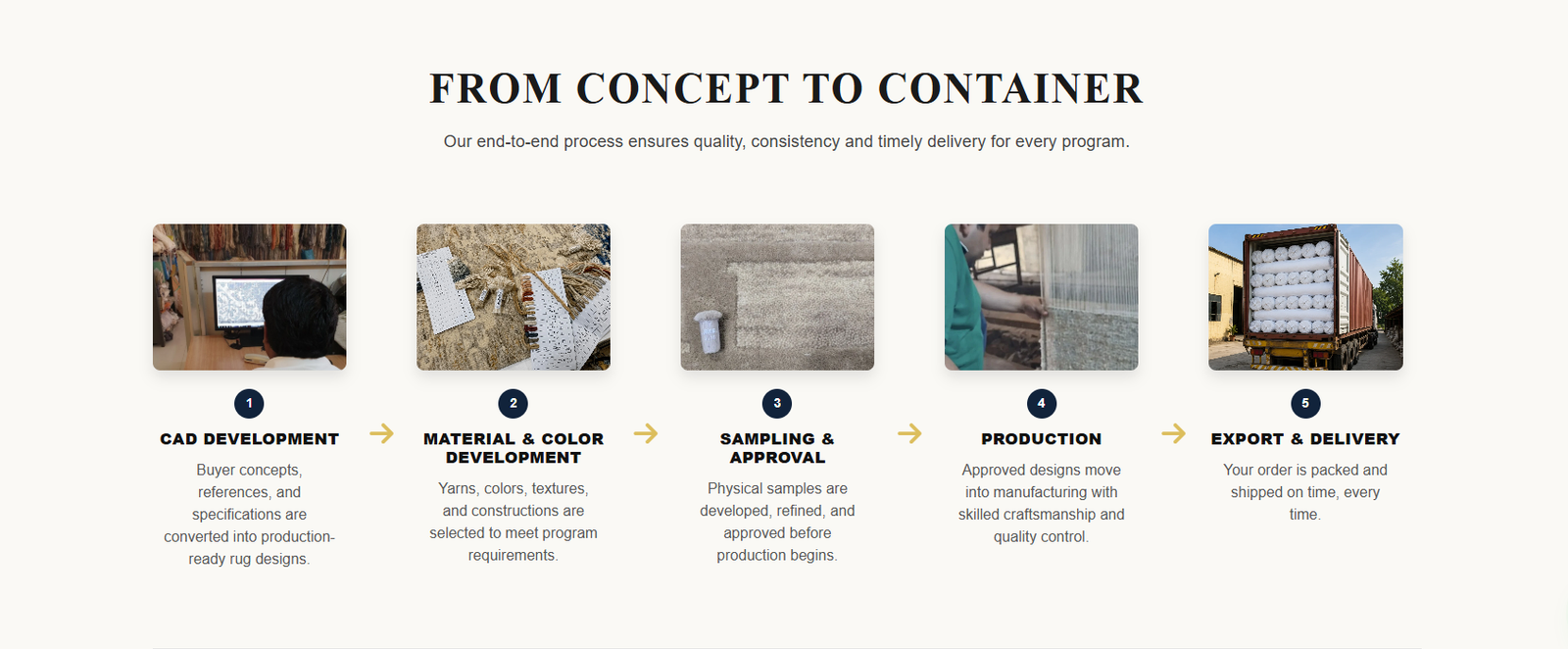
Sampling is an important part of custom rug development.
A sample allows buyers to evaluate colour, texture, construction, material selection, and finishing before approving a larger production order.
For custom or private-label projects, discuss the following with your manufacturer:
Design files and reference images.
Colour specifications and yarn availability.
Sample size and sampling charges.
Approval procedures and revision requirements.
Production specifications based on the approved sample.
Procedures for handling acceptable variations in handmade products.
Handmade rugs can exhibit natural variations in texture and appearance. The expected level of variation should be discussed and documented before production begins.
A clear approval process can help reduce misunderstandings and improve communication between the buyer and manufacturer.
5. Understand Minimum Order Quantities and Production Lead Times
Minimum order quantities and production schedules differ according to construction, design complexity, size, materials, and factory capacity.
A ready-stock purchase may follow a different process from a custom collection requiring design development and sampling.
Before placing an order, obtain written confirmation of:
Minimum order quantities, if applicable.
Sample and development timelines.
Estimated production lead time.
Material availability.
Packaging requirements.
Inspection and approval arrangements.
Dispatch schedule and shipping responsibilities.
For large orders, clarify whether the production schedule applies to the complete order or to individual shipment lots.
Avoid relying on generic delivery promises. A realistic schedule should reflect the actual product, quantity, production stage, and logistics arrangements.
6. Consider Private-Label and Custom Rug Manufacturing
Retailers and home décor brands may need rugs developed specifically for their own collections.
Private-label manufacturing can support custom patterns, colours, sizes, material selections, and product specifications according to the manufacturer's capabilities.
When evaluating a private-label partner, discuss:
Design development and sampling.
Ownership and permitted use of designs.
Confidentiality requirements.
Product labelling and packaging.
Quality specifications and tolerances.
Repeat-order consistency.
Minimum quantities and production timelines.
Document the agreed specifications and responsibilities before bulk production.
Shukla Brothers works with buyers exploring handmade rug manufacturing and custom sourcing requirements. Businesses can contact us to discuss their proposed collection, construction preferences, and production needs.
7. Compare Prices on a Like-for-Like Basis
The price of a handmade rug depends on multiple factors, including dimensions, construction, materials, knot density where applicable, design complexity, labour, finishing, and order quantity.
When comparing manufacturers, make sure you are comparing equivalent specifications.
A hand-knotted rug and a hand-tufted rug should not automatically be compared as though they were the same product. Differences in construction and manufacturing time can significantly affect pricing.
For an accurate quotation, provide the manufacturer with:
Required dimensions.
Preferred construction and materials.
Design or reference images.
Estimated quantity.
Quality and finishing specifications.
Destination country.
Required delivery schedule.
Ask for a written quotation that identifies the currency, price basis, included services, exclusions, and payment terms.
8. Understand FOB Pricing, Freight, and Import Costs
International buyers should understand the difference between the price of the rug and the total cost of receiving it.
A quotation on an FOB basis generally identifies the seller's responsibilities up to the agreed point of shipment under the applicable Incoterms. The exact responsibilities depend on the named port, agreed Incoterms version, and contract.
Additional costs may include international freight, insurance where applicable, customs clearance, import duties, taxes, and destination handling.
Before confirming an order, clarify:
The named port and agreed Incoterms.
Packaging and shipment arrangements.
Which party books and pays for freight.
Required export and shipping documents.
Estimated freight costs and transit times.
Applicable import duties and taxes.
Payment milestones and dispatch procedures.
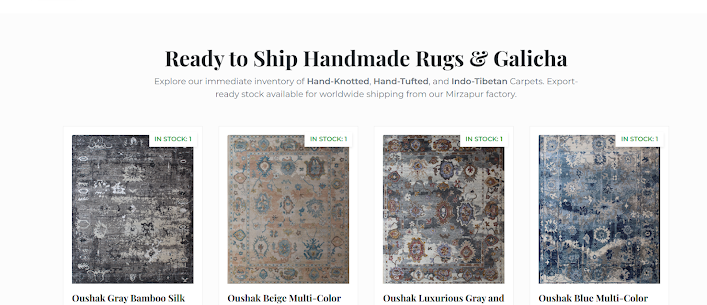
For ready-stock products, request confirmation of current availability and a shipping estimate for your destination before making payment.
9. Assess Quality Control and Communication
Reliable communication is an important part of a successful manufacturing relationship.
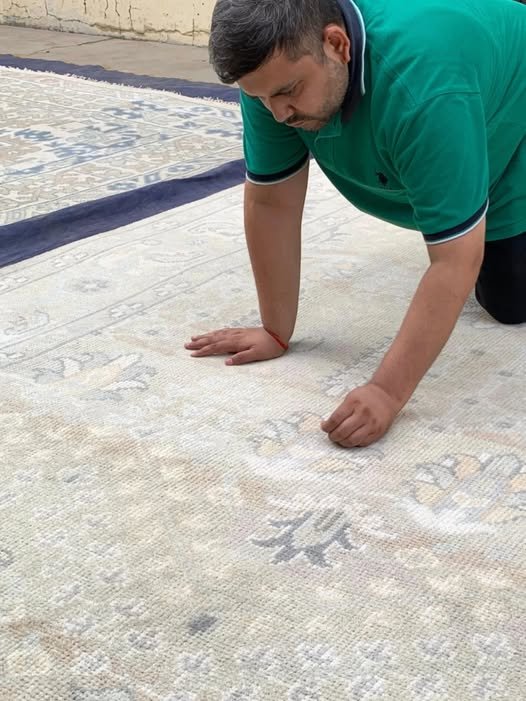
Ask how the supplier checks the finished rugs against the approved specifications. Depending on the product, relevant checks may include dimensions, colour, construction, finishing, visible defects, and packing condition.
For larger orders, agree on inspection requirements and the process for documenting any discrepancies.
Also establish a clear point of contact for:
Sample approvals.
Production updates.
Specification changes.
Inspection results.
Shipping documents.
Dispatch confirmation.
Written records help both parties maintain clarity throughout the order.
10. Choose a Manufacturer That Fits Your Business
The right supplier depends on your business model.
A wholesale distributor may prioritise repeatable specifications and production capacity. A retailer may need a distinctive product range and packaging. An interior designer may focus on custom dimensions, colours, and project requirements. A hospitality buyer may require documented performance specifications and a clearly defined delivery schedule.
Before selecting a manufacturer, prepare a brief describing your target market, preferred constructions, price range, order quantities, and timeline.
Then compare suppliers based on their ability to meet those requirements, rather than choosing solely on the lowest quoted price.
Why Consider Shukla Brothers?
Shukla Brothers brings a manufacturing heritage dating back to 1966 and offers a starting point for businesses exploring handmade rugs from India.
We welcome enquiries related to handmade rug sourcing, custom designs, private-label development, and available ready-stock products.
Whether you are developing a new retail collection or sourcing rugs for a specific project, the first step is to identify the construction, specifications, quantities, and commercial requirements that suit your business.
Visit our website to explore our collections and learn more about our manufacturing capabilities.
Frequently Asked Questions
How do I choose a handmade rug manufacturer in India?
Review the manufacturer's experience, construction capabilities, material specifications, sampling process, quality-control procedures, production schedule, and export arrangements. Request samples and a written quotation before confirming an order.
What is the difference between hand-knotted and hand-tufted rugs?
Hand-knotted rugs are made by tying individual knots around the warp threads. Hand-tufted rugs are produced by inserting yarn into a backing with a tufting tool. Their production processes, costs, textures, and applications can differ.
Can I order custom-designed handmade rugs?
Custom designs may be possible depending on the manufacturer's capabilities, materials, design complexity, dimensions, and minimum quantities. Discuss sampling, specifications, and production timelines before confirming a project.
What information should I provide to request a wholesale quotation?
Provide the rug dimensions, construction, materials, design references, estimated quantity, destination country, target timeline, and any special packaging or quality requirements.
What does FOB India mean when purchasing rugs?
FOB is a trade term that allocates specified responsibilities between the seller and buyer for delivery and shipment. The named port and applicable Incoterms determine the precise obligations. Confirm these details in your quotation and contract.
Can international buyers purchase ready-stock rugs?
Availability depends on the current inventory. Buyers should confirm the product, quantity, price, shipping arrangements, and payment terms before placing an order.
Start Your Handmade Rug Sourcing Enquiry
Are you an importer, wholesaler, retailer, interior designer, or home décor brand looking for a handmade rug manufacturing partner in India?
Share your requirements with Shukla Brothers, including your preferred construction, dimensions, estimated quantity, design references, and destination market.
Our team can discuss the next steps based on your specific sourcing requirements.
Shukla Brothers — Handmade Rug Manufacturing and Exporting Heritage Since 1966.
Editorial Gallery
Where would you like to go next?
Continue exploring or connect with our export team.