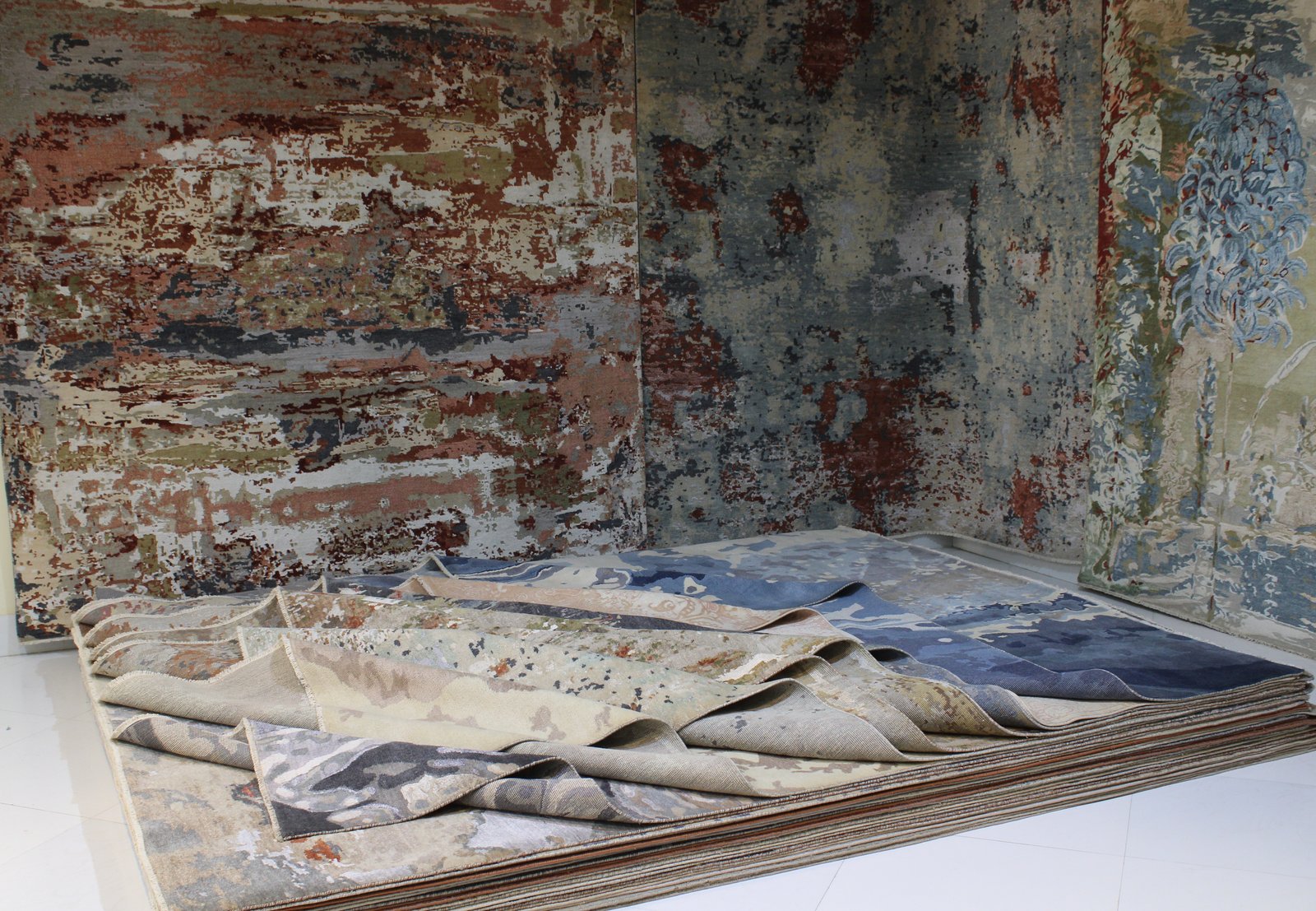
From 16 KPSI to 100 KPSI: The Extraordinary Journey of a Hand Knotted Rug
Every hand knotted rug begins with a single knot. Its journey from a simple design to a finely detailed masterpiece is a story of patience, precision, craftsmanship and time.
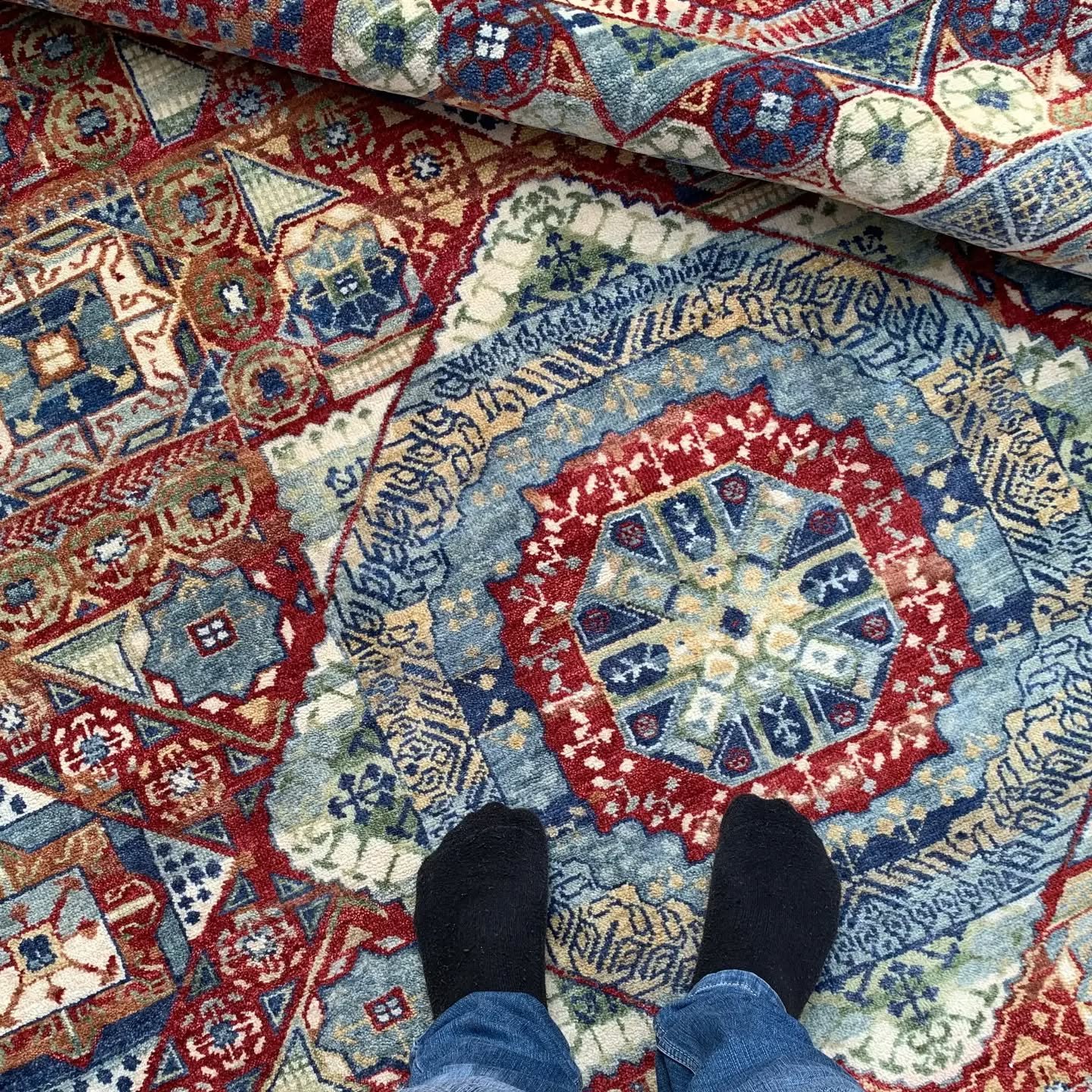
A hand knotted rug is not simply made; it is built knot by knot. Behind every finished piece lies a remarkable process that brings together traditional weaving knowledge, skilled artisans, carefully selected materials and detailed finishing.
One of the most interesting ways to understand this craftsmanship is through knot density. From rugs with approximately 16 KPSI to exceptionally fine constructions reaching 100 KPSI, the journey demonstrates how the number of knots, design complexity and weaving precision can influence the character of a handmade rug.
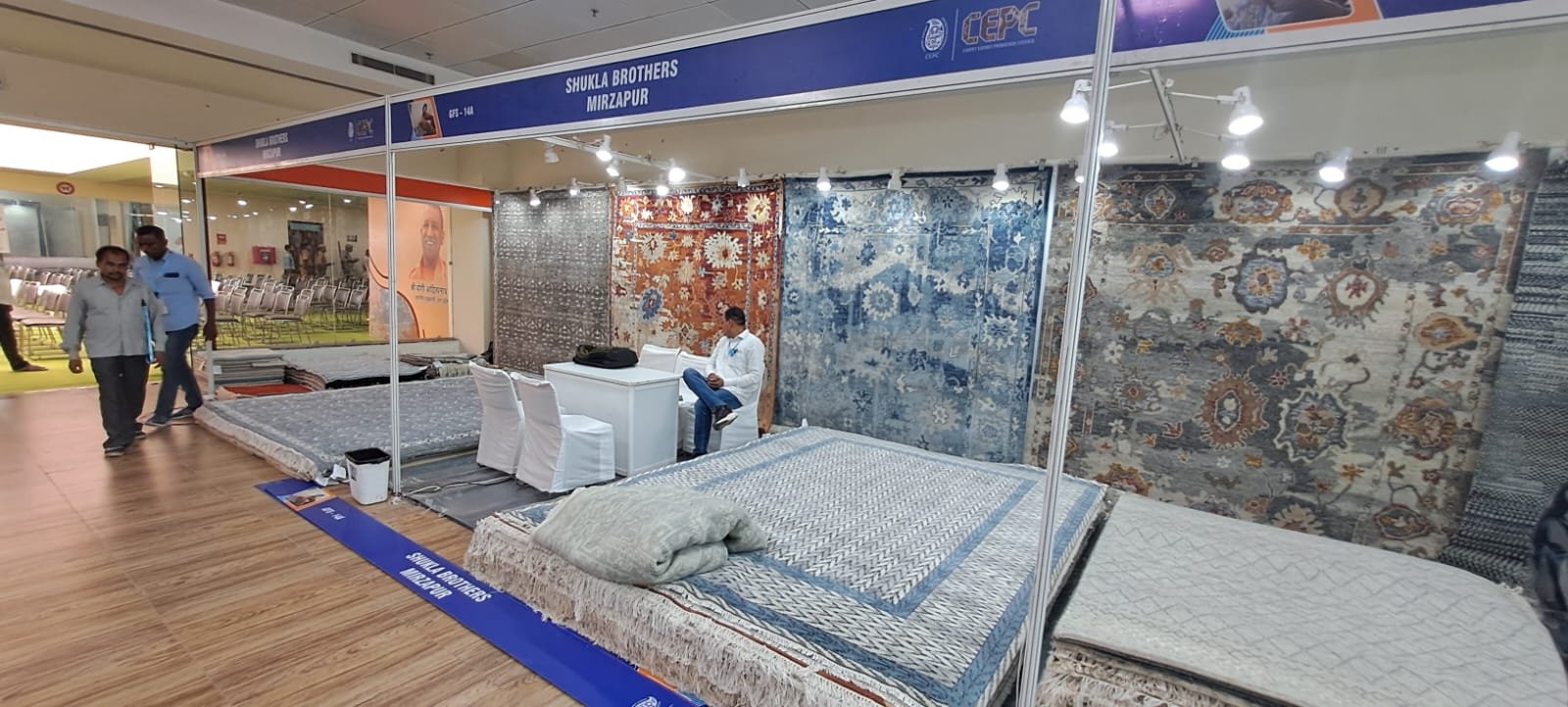
At Shukla Brothers, with a heritage dating back to 1966, we believe that the real value of a handmade rug lies in the skill and dedication behind every stage of its creation.
What Does KPSI Mean in a Hand Knotted Rug?
KPSI stands for Knots Per Square Inch. It is a measurement used to describe the density of knots in a hand-knotted carpet.
In simple terms, it indicates approximately how many individual knots are tied within one square inch of the rug.
16 KPSI: A relatively open knot structure that can accommodate bold patterns and larger design elements.
Higher knot densities: More knots are packed into the same area, allowing greater scope for intricate details and fine pattern definition.
100 KPSI: An exceptionally fine density that requires highly precise knotting and considerable time and skill.
KPSI is one useful technical measurement, but it should never be treated as the only measure of a rug's quality. The quality of wool, yarn preparation, knot consistency, design, pile, finishing and overall workmanship are equally important.
The Journey Begins: From Design to the Loom
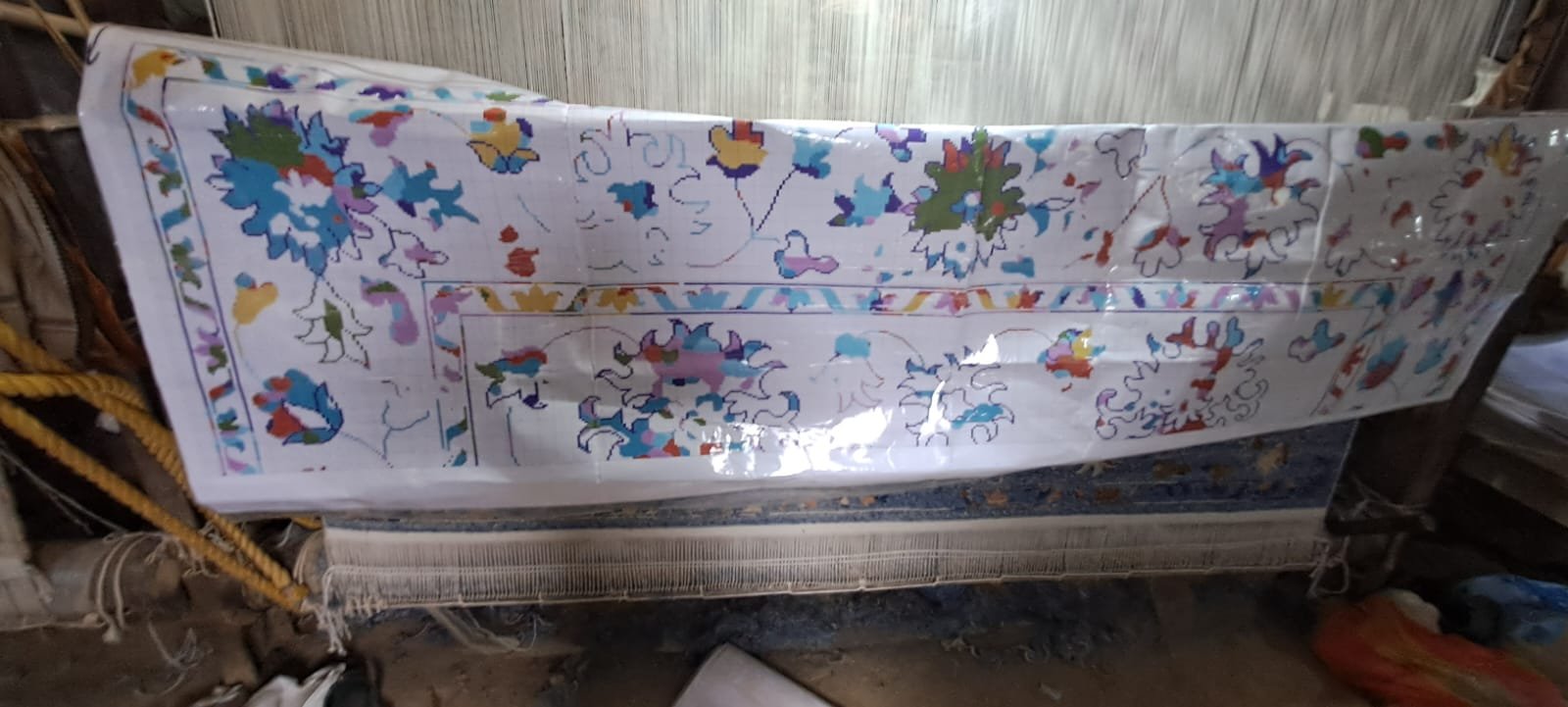
Before the first knot is tied, a hand-knotted rug begins with a design.
The design determines the arrangement of colours, motifs, proportions and details. Depending on the project, the process may involve traditional patterns, contemporary geometric designs, floral compositions or individually developed custom artwork.
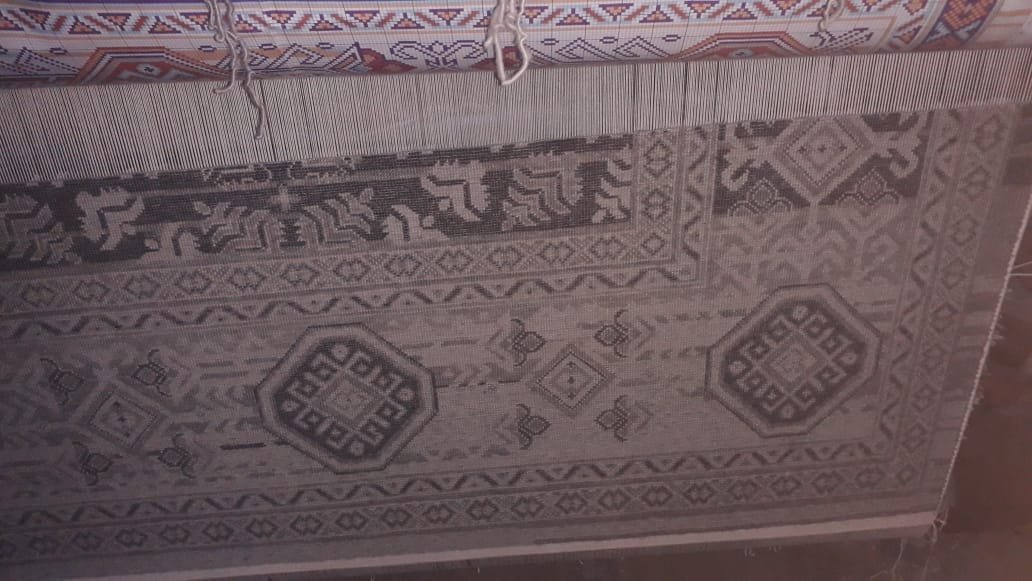
The design is then translated into a weaving plan that guides the artisan.
A well-prepared design helps ensure that the intended pattern is accurately reproduced during weaving.
The Foundation: Setting Up the Loom
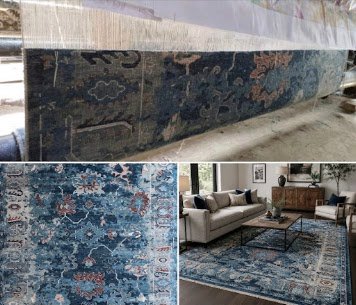
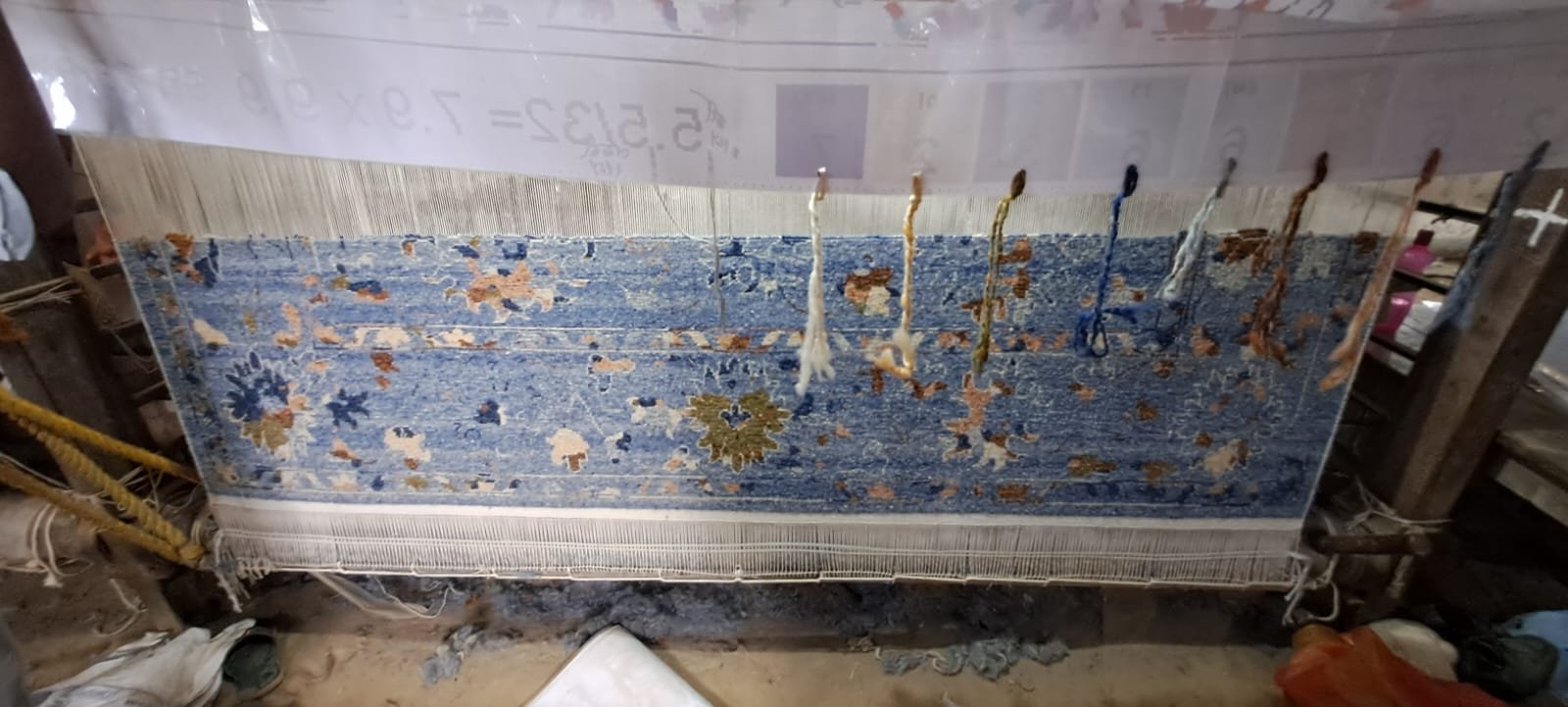
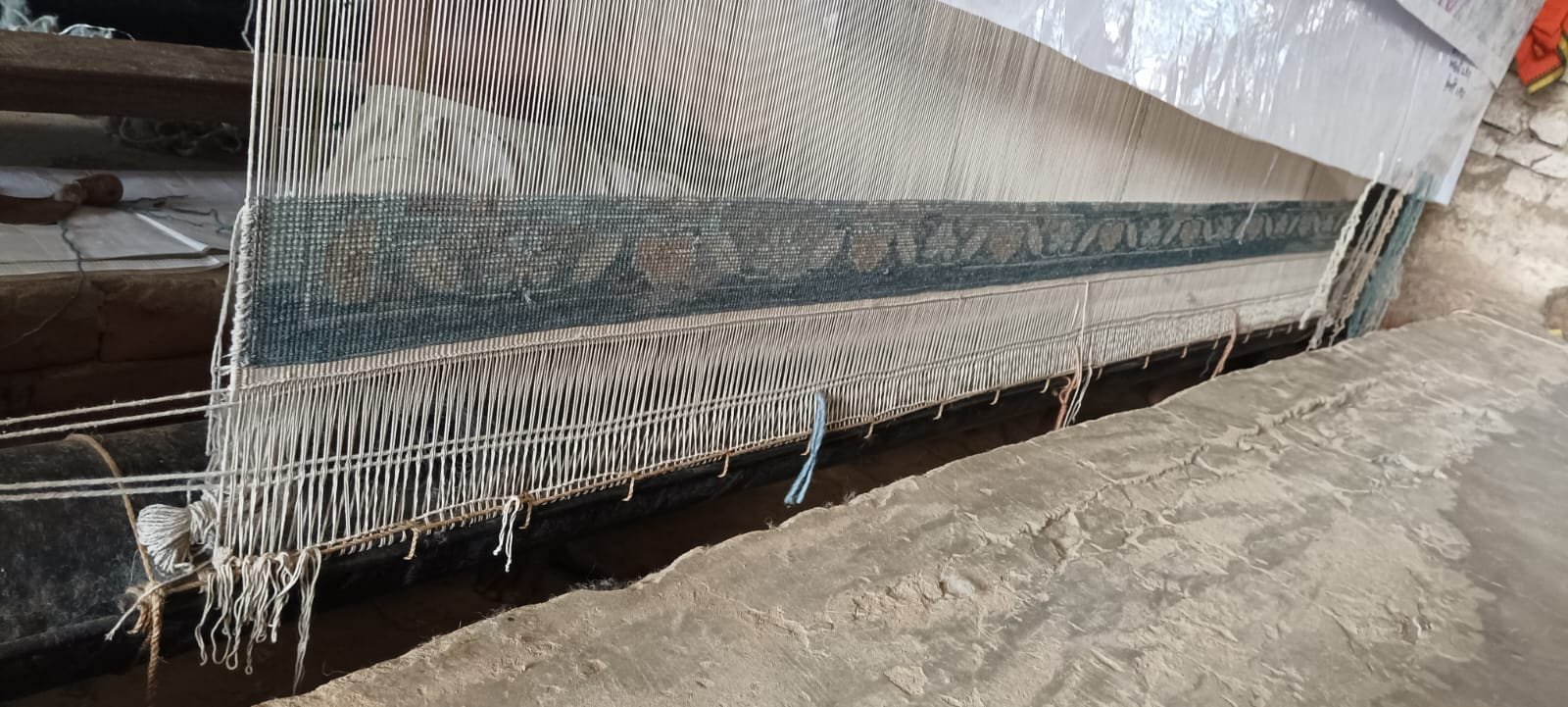
The loom provides the foundation on which the rug is constructed.
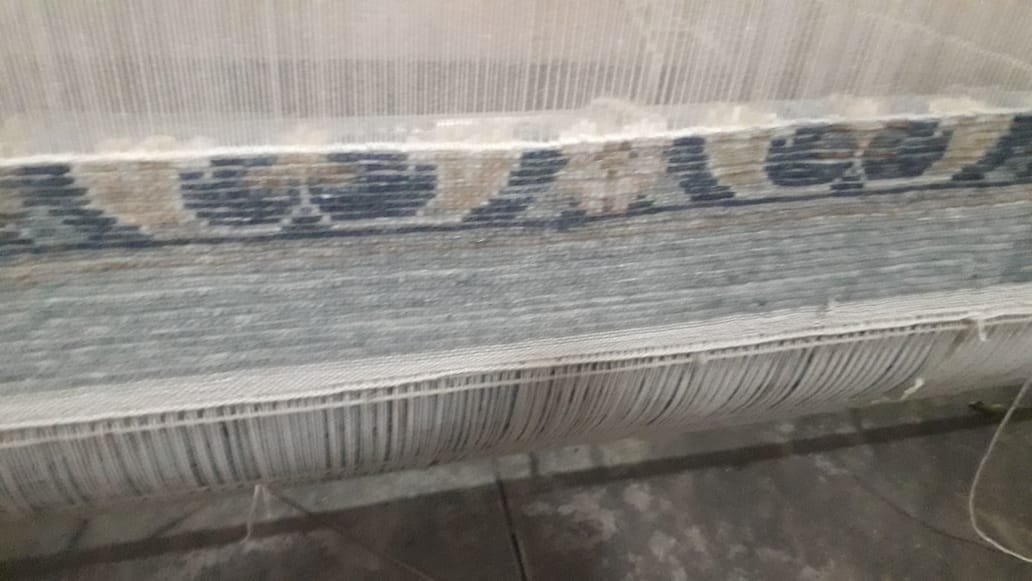
Warp yarns are arranged vertically, creating the structure through which the knots are tied. Weft yarns are inserted during weaving to secure the structure and build the foundation of the carpet.
The preparation of the loom is an important step because alignment and tension influence the consistency of the finished rug.
The Art of Hand Knotting: One Knot at a Time
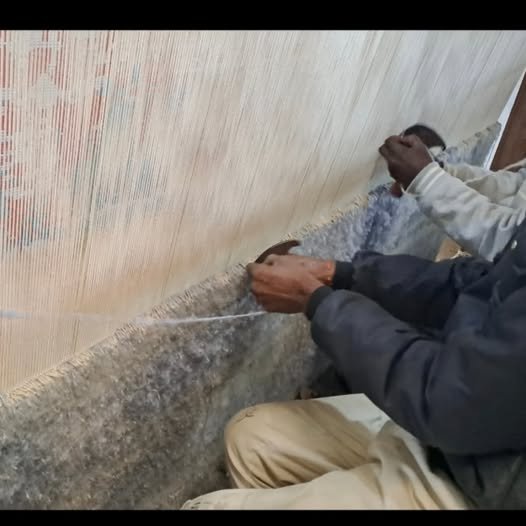
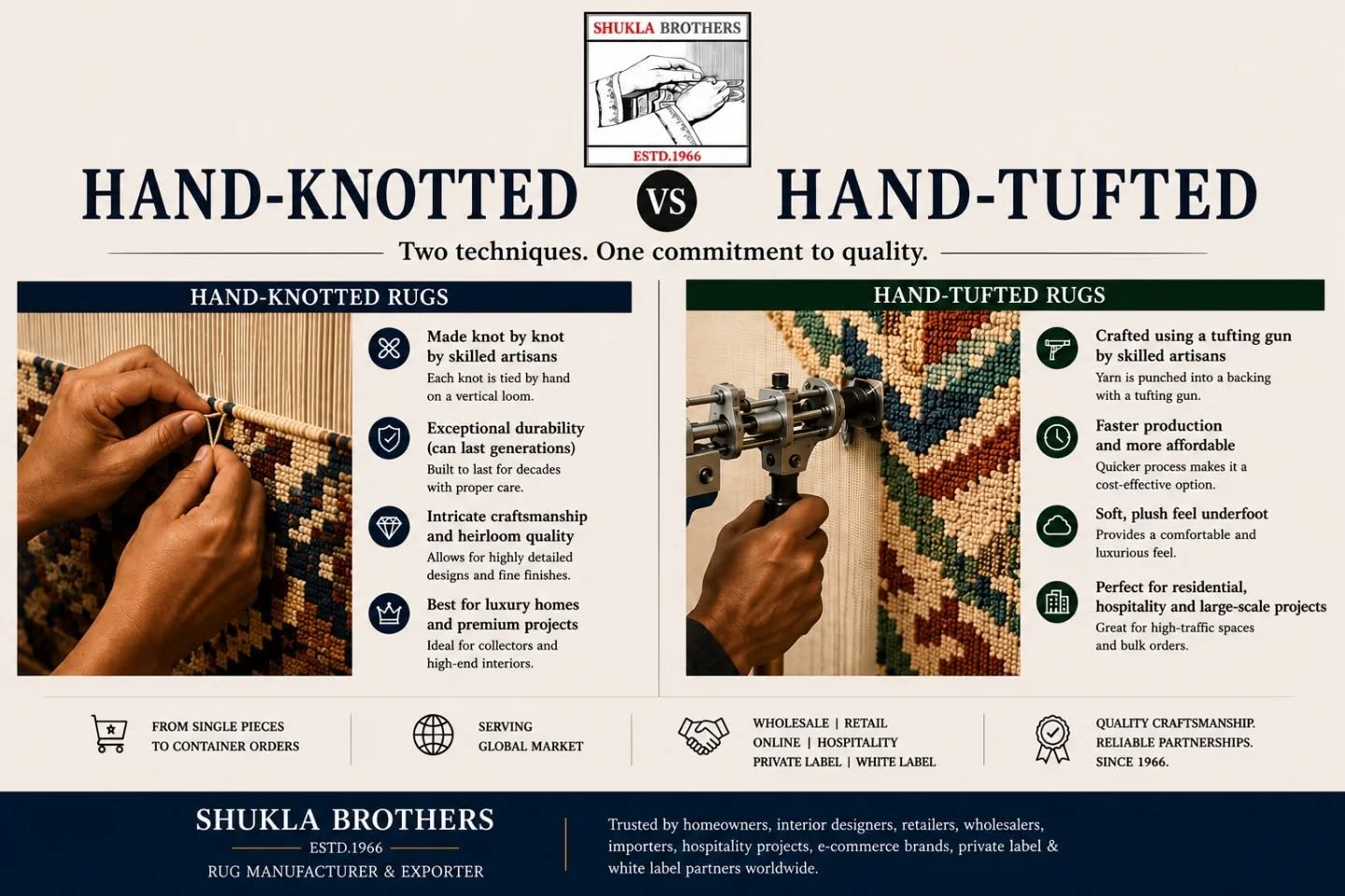
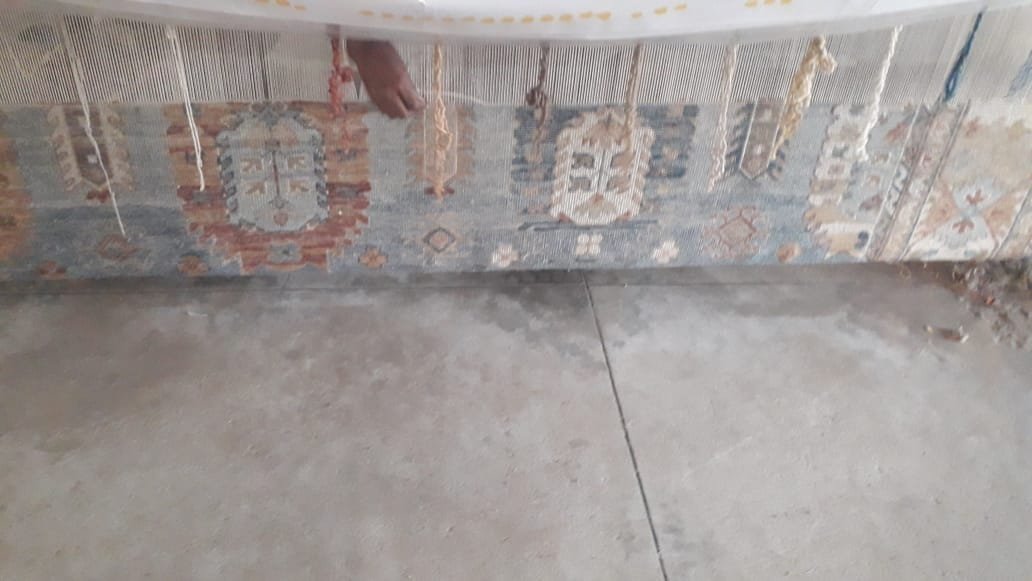
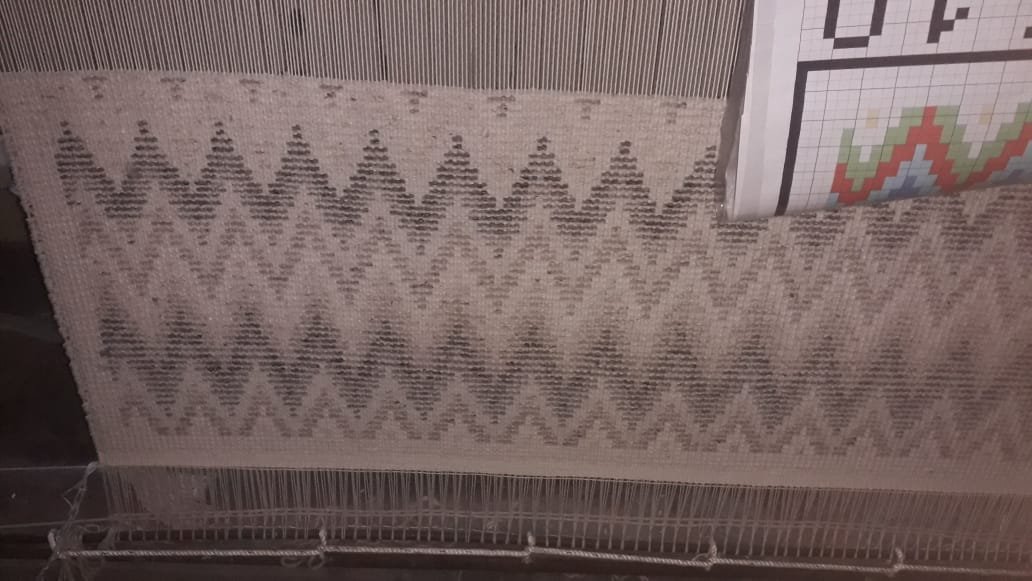
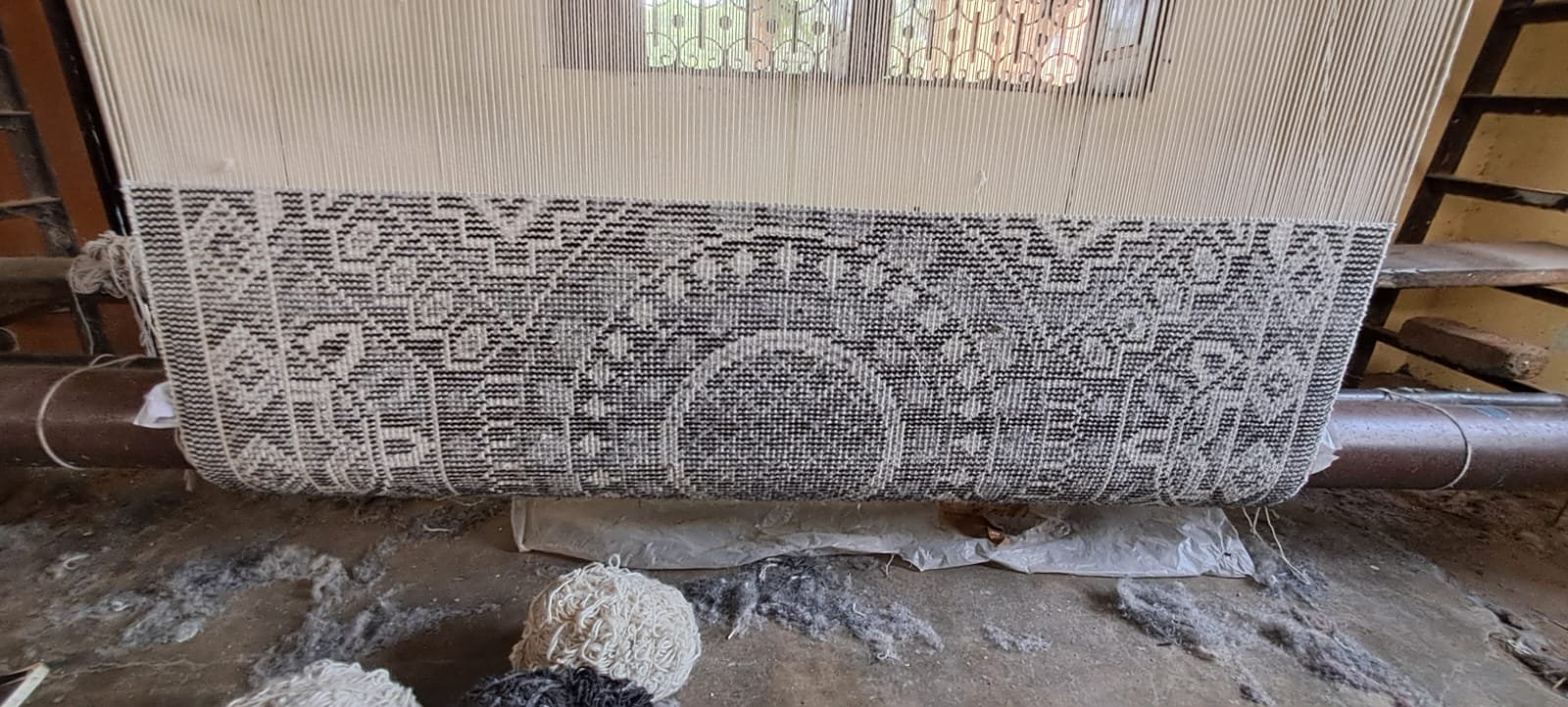
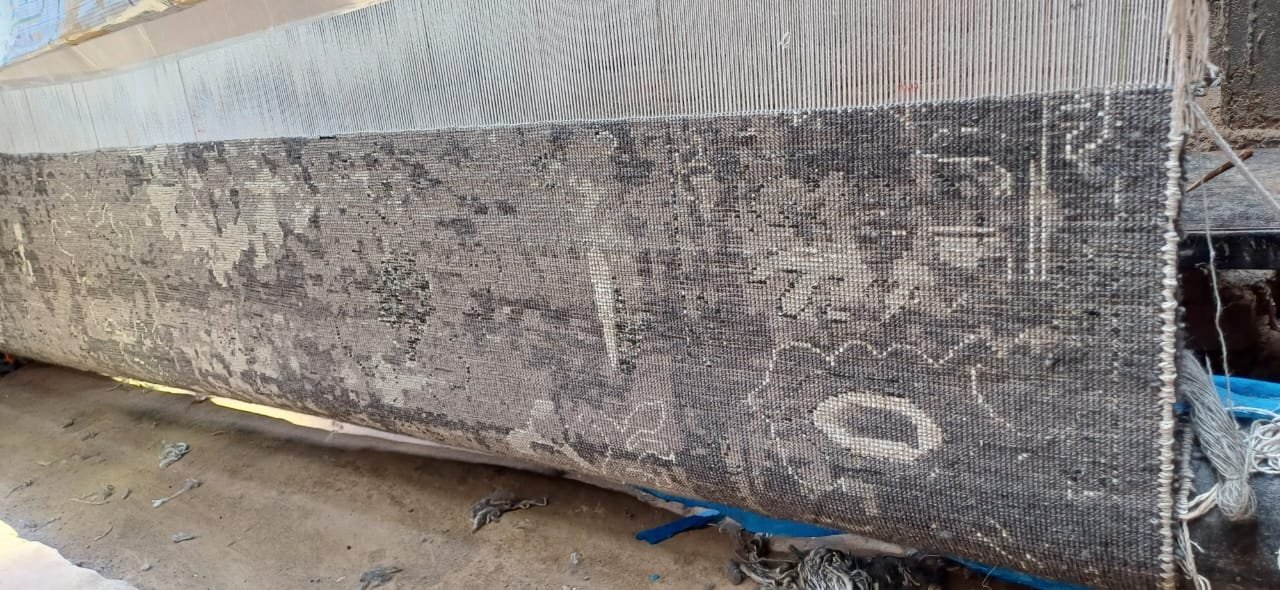
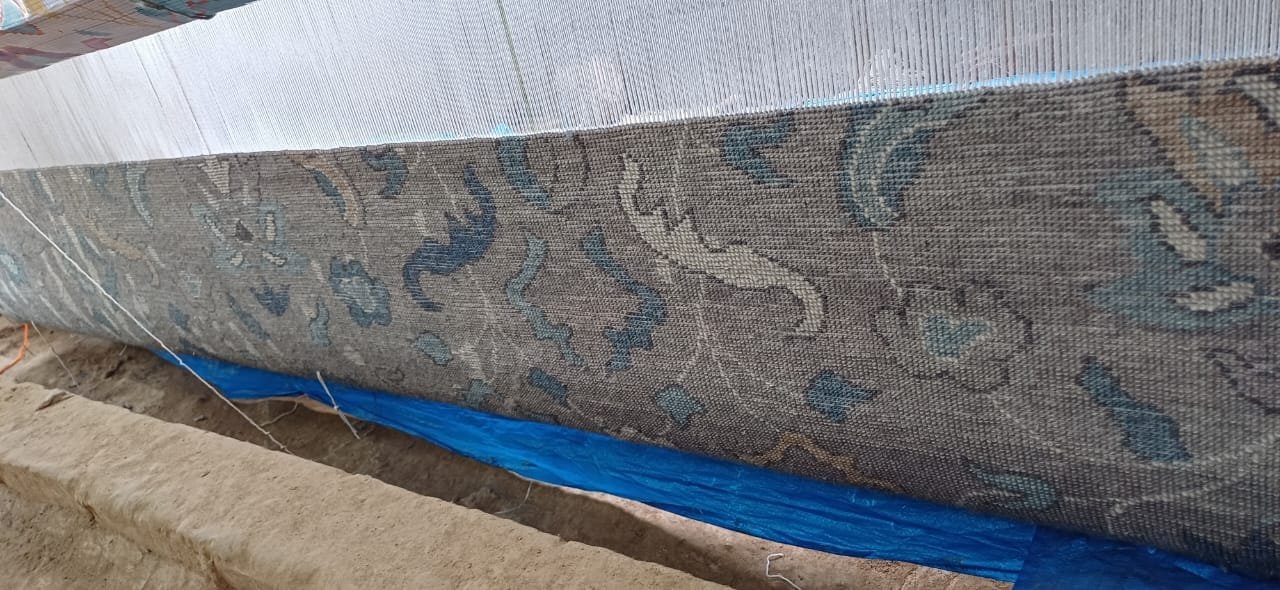
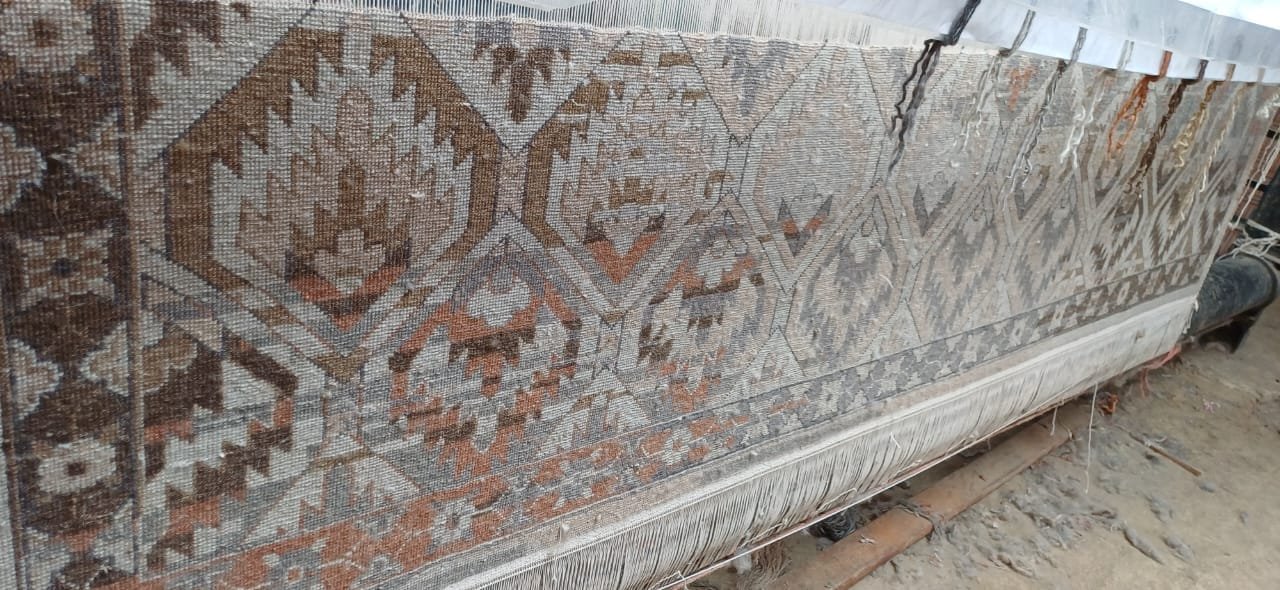
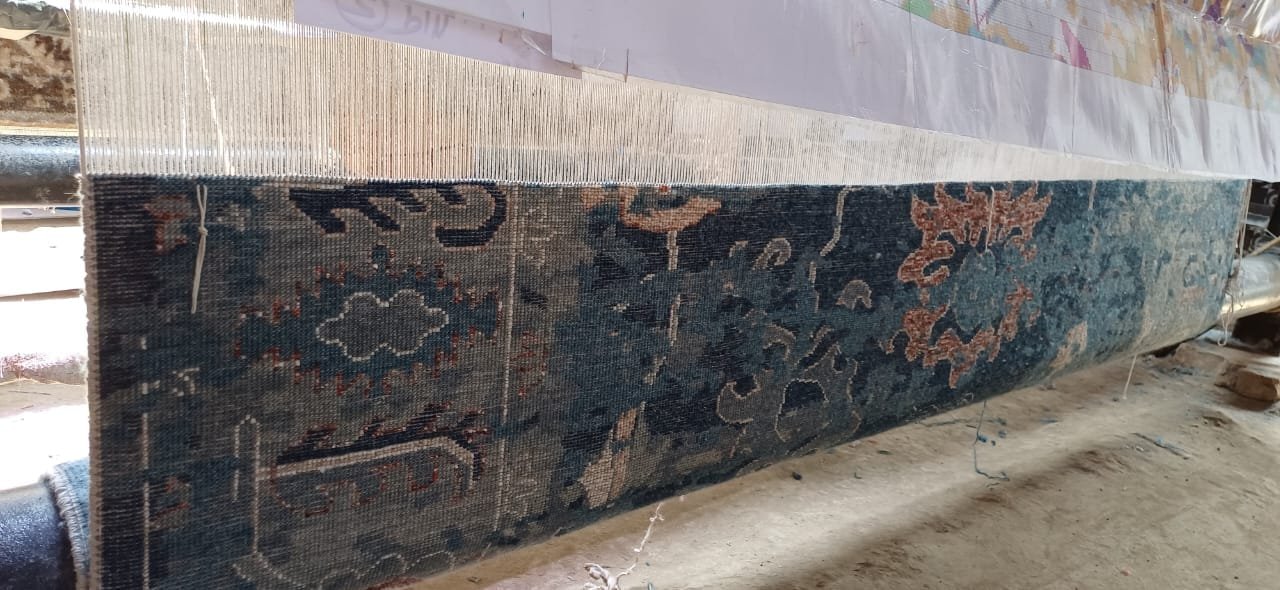
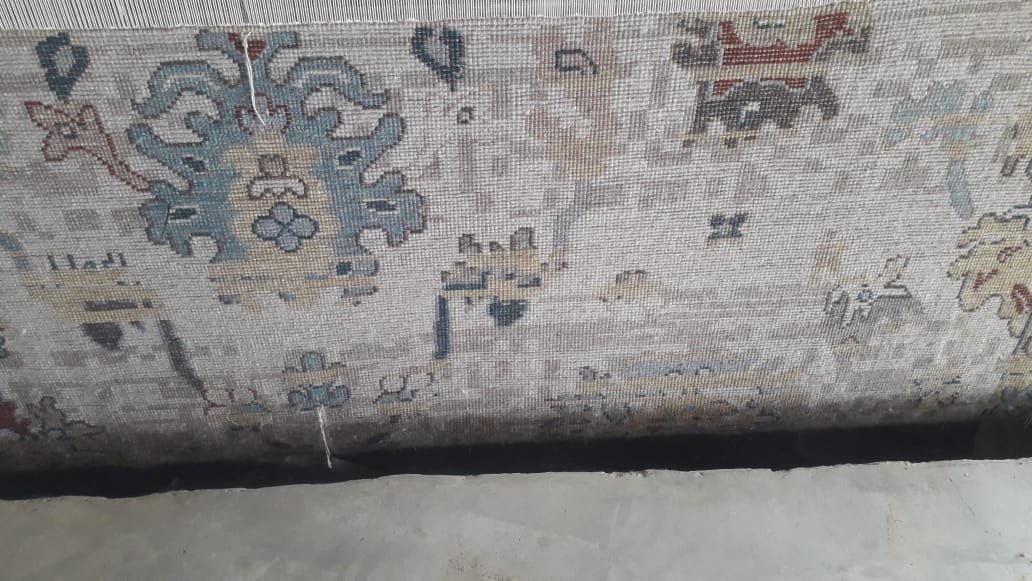
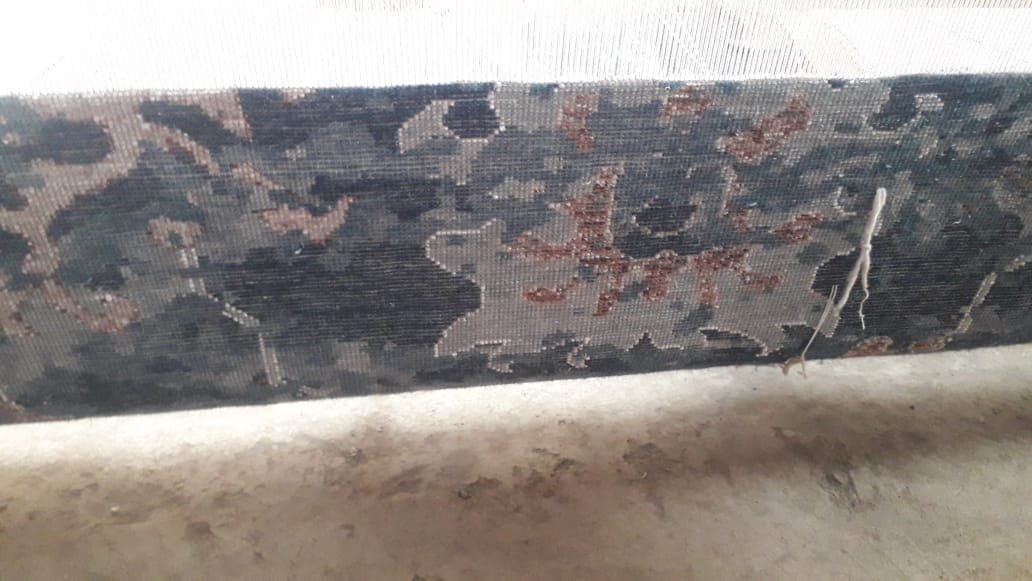
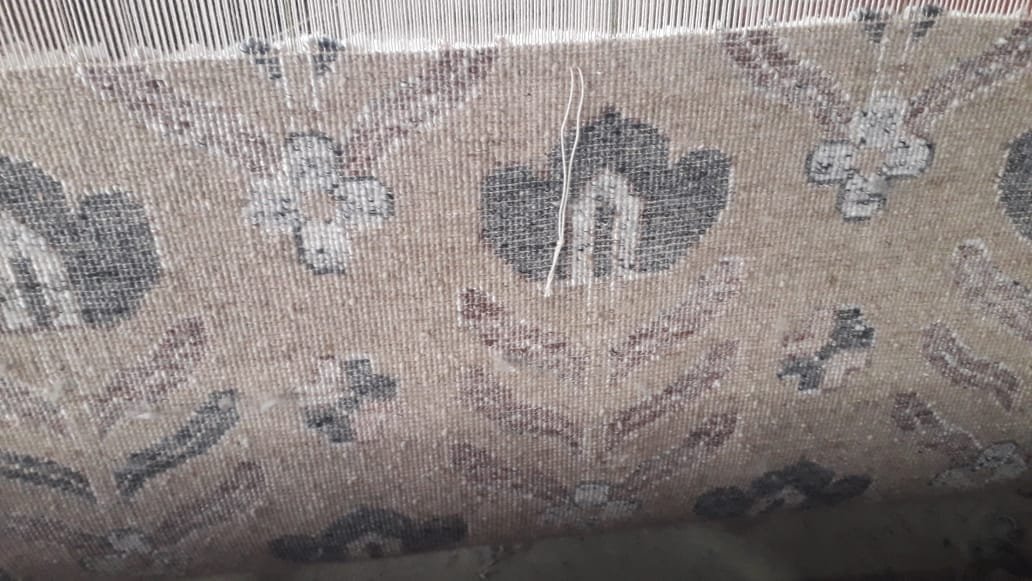
The defining feature of a hand-knotted rug is that its pile is created by tying individual knots around the foundation yarns.
Unlike machine-made carpets, where production is automated, hand-knotting depends on the artisan's hands, experience and concentration.
Each knot contributes to the design and structure of the rug. The artisan follows the pattern, selects the required yarn colour and continues knotting row after row.
As the knot density increases, the weaving process generally becomes more demanding. More individual knots must be tied within the same area, and intricate designs require careful attention to detail.
This is why fine hand-knotted rugs represent such a remarkable investment of human skill and time.
Understanding the Journey from 16 KPSI to 100 KPSI
The difference between 16 KPSI and 100 KPSI is not simply a number. It represents a significant difference in knot density.
At approximately 16 KPSI, the structure may be suitable for designs with larger motifs, bold colour arrangements and a more open visual character.
As knot density increases, the artisan has more individual knots available to reproduce smaller design elements and finer details.
At approximately 100 KPSI, the density is exceptionally high. Achieving this level requires careful planning, consistent knotting and considerable technical skill.
However, a higher KPSI does not automatically make a rug more beautiful, durable or valuable. The right density depends on the design, intended use, materials and desired appearance.
A beautifully executed 16 KPSI rug can be an outstanding handmade product, just as a finely detailed 100 KPSI rug can demonstrate exceptional craftsmanship.
The true achievement is creating the right balance between design, construction and quality.
Why Higher Knot Density Requires Greater Precision
As knot density increases, the margin for error becomes smaller.
The artisan must maintain consistency in:
Knot placement and alignment
Yarn selection and colour changes
Pattern proportions and design details
Foundation tension
Overall weaving consistency
Small variations can become more noticeable in intricate designs.
Fine knotting is therefore not only about tying more knots. It is about maintaining control and consistency throughout the weaving process.
From the Loom to Washing: Bringing the Rug to Life
When the weaving is complete, the rug moves into the finishing stages.
This is where the journey shown in our rug-washing video becomes particularly relevant.
Watch the rug-washing process: Behind the Scenes at an Indian Handmade Carpet Factory – Rug Washing Process
Washing is an important finishing operation. It helps clean the rug and contributes to the appearance and feel of the finished surface.
The appropriate washing and finishing method depends on the rug's materials, dyes, construction and product requirements.
After washing, the rug may undergo further processes such as drying, stretching, trimming, pile finishing and detailed inspection, depending on its construction and specification.
Each stage contributes to presenting the woven product as a finished handmade rug.
Quality Inspection: The Details Matter
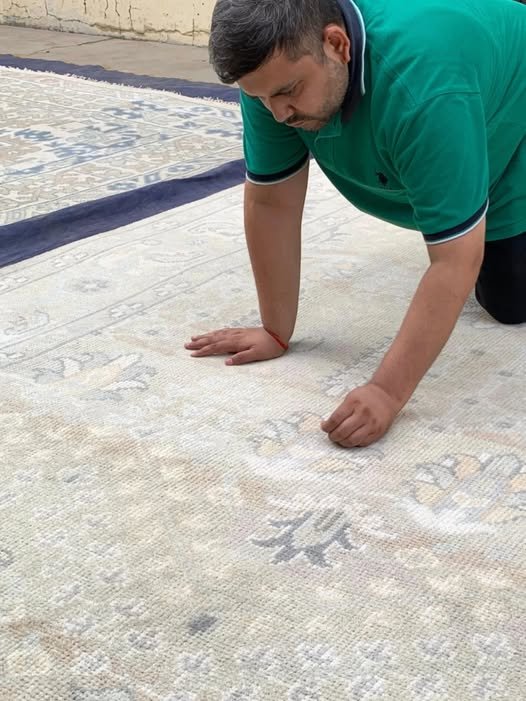
A handmade rug should be assessed beyond its knot count.
A proper quality inspection may consider:
Overall dimensions and shape
Knot consistency and construction
Pattern alignment and design accuracy
Colour consistency
Pile height and surface appearance
Edges, fringes and finishing
Cleanliness and overall presentation
For international buyers, clear product specifications and quality expectations are especially important when sourcing handmade rugs in bulk.
Why Hand Knotted Rugs Continue to Be Special
Hand-knotted rugs have a distinctive character because each piece is created through individual artisan work.
Their appeal comes from several qualities:
Individual craftsmanship: Every knot is tied by hand, making the process fundamentally different from automated carpet production.
Design possibilities: Hand knotting can accommodate traditional motifs, intricate patterns and contemporary designs.
Material choices: Depending on the specification, rugs can be made using different wool qualities, yarn preparations and other approved materials.
Construction options: Knot density, pile height, colour palette and design can be developed according to the requirements of a particular project.
Customisation: Buyers can work with manufacturers to develop designs, dimensions and specifications for their own collections.
Choosing the Right KPSI for Your Project
For buyers, importers, retailers and interior designers, choosing the right knot density should begin with the intended application.
A rug designed for a bold contemporary interior may not need the same knot density as a highly detailed traditional design.
Before placing an order, consider:
What type of design do you require?
How much detail does the pattern contain?
What material and yarn quality are required?
What dimensions and pile specifications are needed?
What is the intended residential or commercial application?
What is your target price and production quantity?
Discussing these requirements with an experienced manufacturer helps ensure that the construction matches the design and commercial objectives.
Shukla Brothers: A Heritage of Handmade Rug Craftsmanship Since 1966
At Shukla Brothers, we value the knowledge, patience and skill that go into handmade rug production.
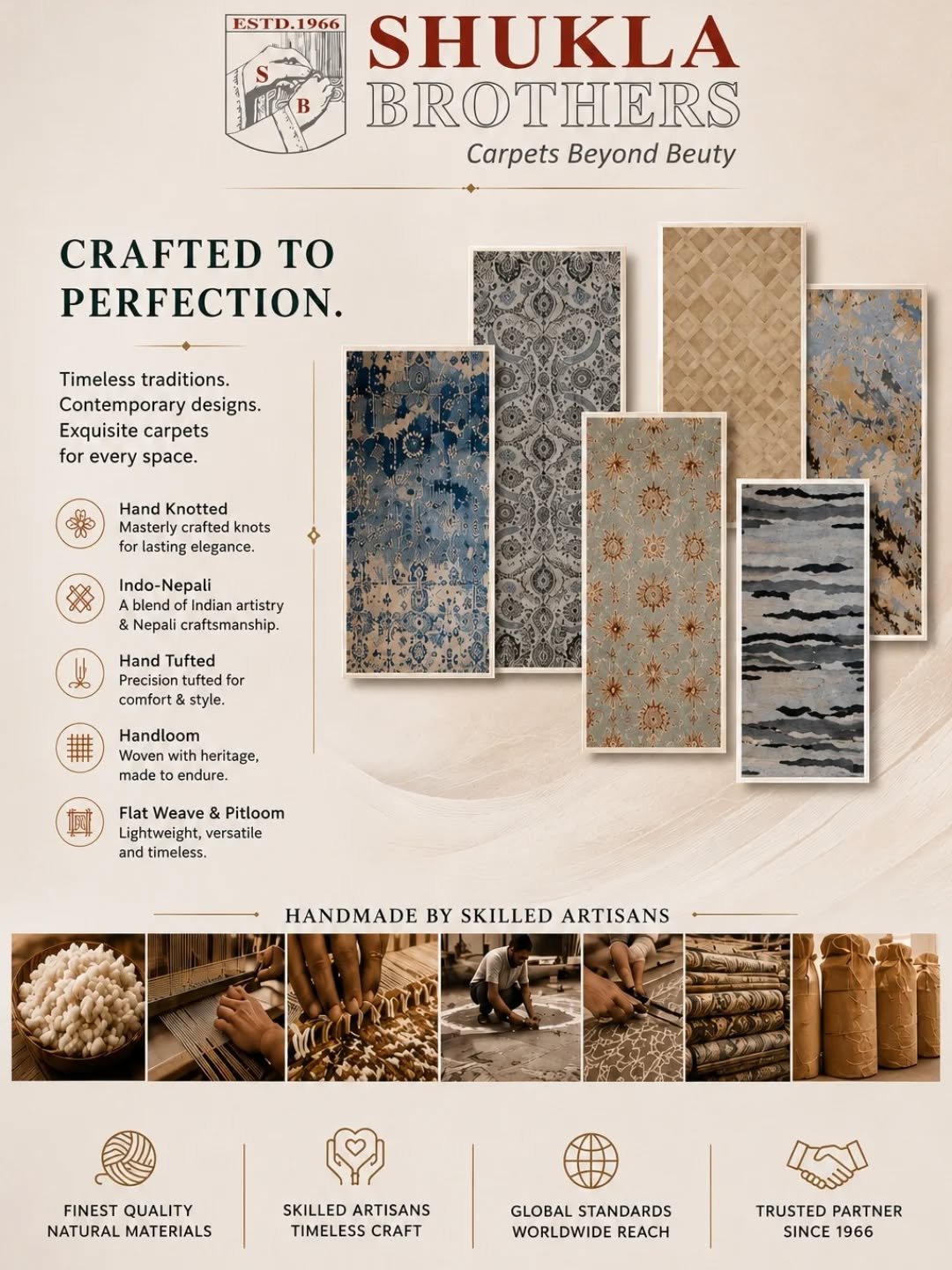
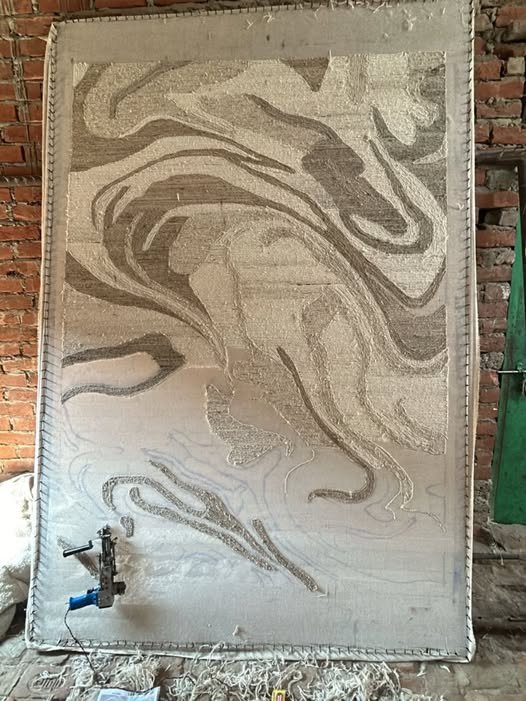
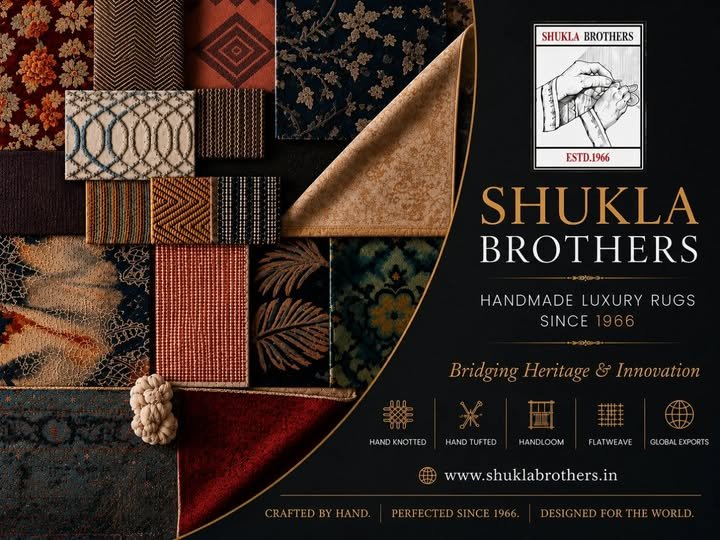
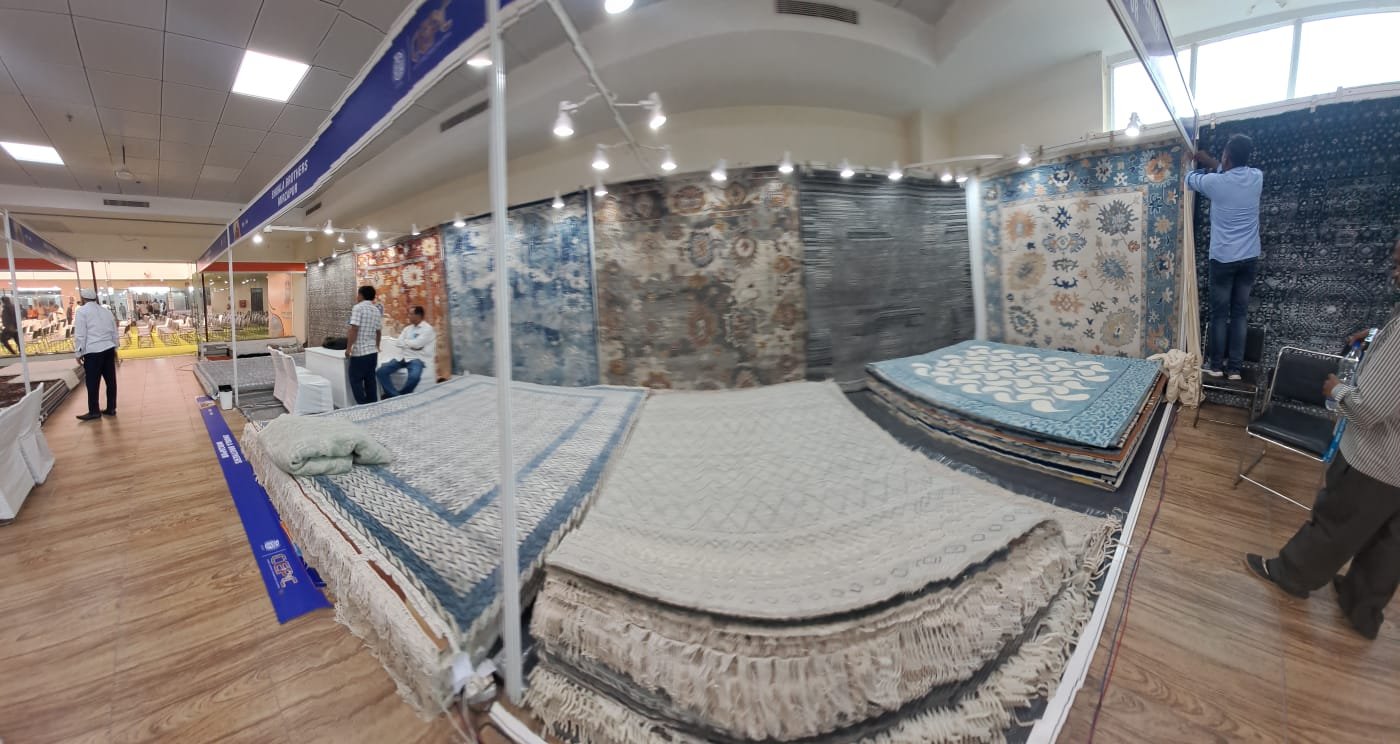
Our heritage since 1966 reflects a longstanding association with the handmade rug industry. We work with different rug constructions, including hand knotted, hand-tufted, handloom and flatweave, serving buyers looking for distinctive designs and manufacturing solutions.
Whether you are developing a new rug collection, sourcing wholesale handmade rugs, exploring private-label production or looking for custom dimensions and designs, the right manufacturing conversation begins with understanding your requirements.
Frequently Asked Questions
1. What does 16 KPSI mean in a hand-knotted rug?
16 KPSI means approximately 16 knots per square inch. It describes the knot density of the rug.
2. What does 100 KPSI mean?
100 KPSI indicates approximately 100 knots per square inch. This is an exceptionally fine knot density that requires a high level of precision and skill.
3. Does higher KPSI always mean better quality?
No. Knot density is only one quality indicator. Materials, knot consistency, design execution, construction and finishing also matter.
4. Are hand-knotted rugs made entirely by hand?
The defining pile structure is created by tying individual knots by hand. Other stages, such as washing, drying and finishing, may use appropriate tools and equipment.
5. Why is washing important after weaving?
Washing is an important finishing stage that helps clean the rug and contributes to its final appearance and feel. The method depends on the rug's materials and construction.
6. Can hand-knotted rugs be customised?
Yes. Depending on manufacturing capabilities, buyers can discuss custom designs, colours, dimensions, materials and knot-density requirements.
Discover the Craftsmanship Behind Every Knot
From the first knot to the final wash, a hand-knotted rug represents a journey of patience, precision and human craftsmanship.
Whether the design calls for a relatively open construction or exceptionally fine knot density, the objective remains the same: to create a rug in which the construction, materials and design work together beautifully.
Looking for a handmade rug manufacturer in India?
Connect with Shukla Brothers to discuss your wholesale, custom manufacturing and private-label rug requirements.
Explore Shukla Brothers:
Shukla Brothers — Handmade Rug Manufacturing and Exporting Heritage Since 1966.
Editorial Gallery
Where would you like to go next?
Continue exploring or connect with our export team.